
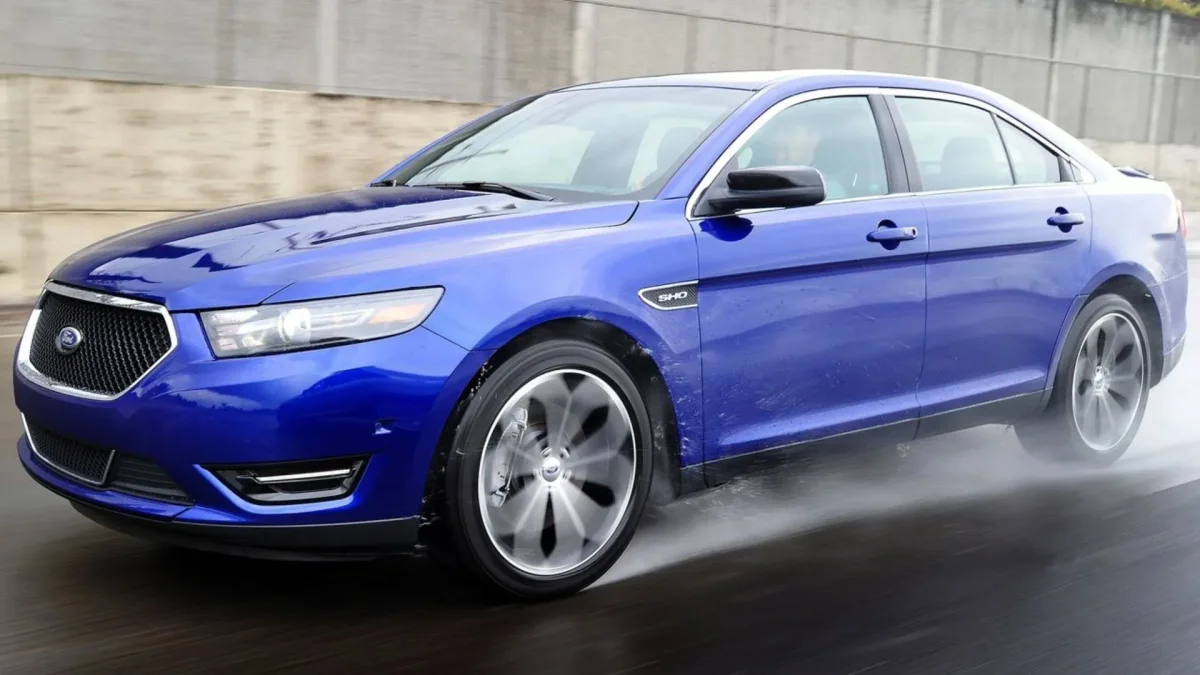

The average age of vehicles on U.S. roads has reached a record high of 12.8 years, marking a significant trend in vehicle longevity. This statistic reflects data from S&P Global Mobility, which indicates that passenger cars now average 14.5 years old, while light trucks are at 11.9 years. The typical car is now older than many drivers may realize, having been manufactured during the Obama administration.
This shift in vehicle age carries implications for various stakeholders, including automakers, insurers, and safety advocates. As vehicles become more durable due to advancements in engineering and materials, the average driver logs around 13,500 miles annually, totaling approximately 175,000 miles over the lifespan of a vehicle. The increased use of materials like aluminum and composites has improved resistance to rust, allowing older cars to remain operational longer than in previous decades.
While keeping an older vehicle can be financially sensible, the cost of new cars continues to rise, with prices nearing $50,000. For those financing a new vehicle, monthly payments can reach $966 at a six percent interest rate. In contrast, maintaining an older car often incurs significantly lower annual costs.