
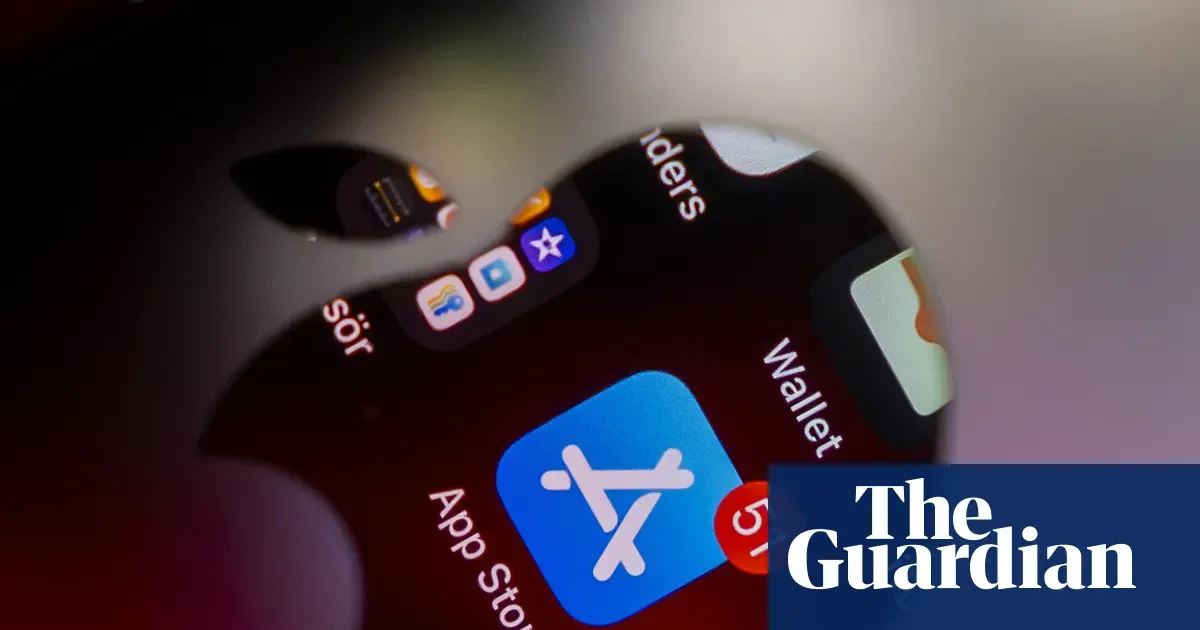

Apple's decision to lower App Store fees in China could reshape developer landscape

Apple's decision to lower App Store fees in China could reshape developer landscape

Starting March 15, 2026, Apple will reduce its App Store commission in China to 25%, potentially saving developers over 6 billion yuan annually and lowering consumer costs.

NeboAI I summarize the news with data, figures and context
IN 30 SECONDS

IN 1 SENTENCE

SENTIMENT
Neutral

𒀭
NeboAI is working, please wait...
Preparing detailed analysis
Quick summary completed
Extracting data, figures and quotes...
Identifying key players and context
DETAILED ANALYSIS
SHARE

NeboAI produces automated editions of journalistic texts in the form of summaries and analyses. Its experimental results are based on artificial intelligence. As an AI edition, texts may occasionally contain errors, omissions, incorrect data relationships and other unforeseen inaccuracies. We recommend verifying the content.

Starting Sunday, Apple will reduce its commission fees for in-app purchases in mainland China from 30% to 25%. This decision follows mounting pressure from regulators and comes as part of broader scrutiny regarding Apple's payment policies in its second-largest market. The change is projected to save Chinese developers over 6 billion yuan (approximately $873 million) annually in operating costs, according to the Chinese state-owned Economic Daily.

Additionally, developers in Apple’s small business and mini-app partner programs will see their fees drop from 15% to 12%. This adjustment is particularly beneficial for operators of "super apps" like Tencent and ByteDance, which host numerous smaller applications. The Economic Daily highlighted that these changes aim to enhance consumer choices and transparency in digital transactions, potentially lowering costs for consumers by nearly 1 billion yuan each year.

Looking ahead, the new commission rates will take effect on March 15, 2026, marking a significant shift in Apple's approach to its App Store in China. The ongoing scrutiny of Apple’s commission structure also reflects global regulatory trends, as evidenced by recent legislation in the EU and various legal challenges in the US.

Want to read the full article? Access the original article with all the details.
Read Original Article
TL;DR

This article is an original summary for informational purposes. Image credits and full coverage at the original source. · View Content Policy

Editorial
Editorial Staff

Our editorial team works around the clock to bring you the latest tech news, trends, and insights from the industry. We cover everything from artificial intelligence breakthroughs to startup funding rounds, gadget launches, and cybersecurity threats. Our mission is to keep you informed with accurate, timely, and relevant technology coverage.

Press Enter to search or ESC to close