
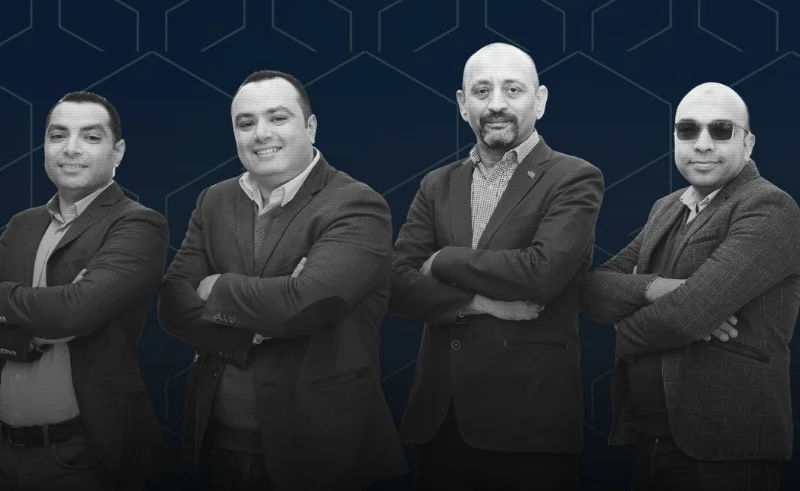

Snappers Addresses Cybersecurity Talent Gap with Innovative AI Solutions

Snappers Addresses Cybersecurity Talent Gap with Innovative AI Solutions

AI-driven cyber threats are projected to cost the global economy trillions, while a critical talent shortage in regions like Egypt hampers defense efforts. Discover how Snappers is transforming cybersecurity.

NeboAI I summarize the news with data, figures and context
IN 30 SECONDS

IN 1 SENTENCE

SENTIMENT
Neutral

𒀭
NeboAI is working, please wait...
Preparing detailed analysis
Quick summary completed
Extracting data, figures and quotes...
Identifying key players and context
DETAILED ANALYSIS
SHARE

NeboAI produces automated editions of journalistic texts in the form of summaries and analyses. Its experimental results are based on artificial intelligence. As an AI edition, texts may occasionally contain errors, omissions, incorrect data relationships and other unforeseen inaccuracies. We recommend verifying the content.

As global organizations increasingly depend on AI technology, the complexity and frequency of cyber threats are rising, prompting urgent responses from industry leaders. Snappers, an innovative startup founded in 2023, is tackling the dual challenges of workforce shortages and the escalating risk of AI-generated cyberattacks.

CEO Hisham Magdy warns that the coming years will see increasingly sophisticated cyberattacks that leverage AI to create new malware capable of bypassing existing defenses. The global economy is projected to face losses amounting to trillions of dollars annually due to these attacks. In regions like Egypt, where Snappers is primarily active, a significant shortage of cybersecurity talent is evident, worsened by skilled professionals seeking opportunities abroad.

To combat these threats, Snappers is integrating AI into its cybersecurity services, offering subscription-based solutions designed to enhance the capabilities of human engineers rather than replace them. Magdy emphasizes the importance of specialized services that utilize AI within their Security Operations Centre (SOC), asserting that effective threat-hunting requires human expertise. This collaborative model aims to improve response times and bridge the skills gap prevalent in the MENA region.

Want to read the full article? Access the original article with all the details.
Read Original Article
TL;DR

This article is an original summary for informational purposes. Image credits and full coverage at the original source. · View Content Policy

Editorial
Editorial Staff

Our editorial team works around the clock to bring you the latest tech news, trends, and insights from the industry. We cover everything from artificial intelligence breakthroughs to startup funding rounds, gadget launches, and cybersecurity threats. Our mission is to keep you informed with accurate, timely, and relevant technology coverage.

Press Enter to search or ESC to close