
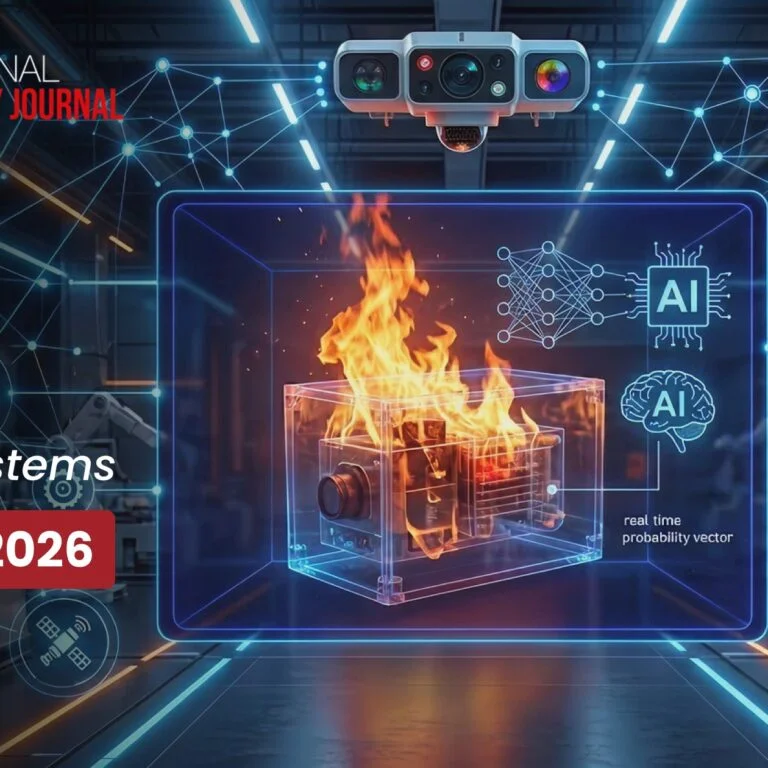

The fire safety equipment sector is projected to expand from USD 49.42 billion in 2025 to USD 52.89 billion in 2026, driven by a growing demand for enhanced safety measures. Traditional fire detection systems are increasingly deemed inadequate due to their reliance on fixed smoke and heat thresholds, which often lead to delayed responses in emergencies.
In contrast, smart fire detection solutions utilize artificial intelligence and the Internet of Things to improve early detection of fire risks, significantly reducing false alarms. These systems analyze various environmental factors such as smoke, heat, gas levels, and air quality to identify potential threats more accurately, unlike conventional systems that may activate too late.
Market analysis indicates that the demand for fire protection solutions could reach USD 42.95 billion by 2030, highlighting a shift towards smarter, more efficient safety technologies. Smart systems not only provide real-time alerts and remote monitoring capabilities but also automate responses, enhancing the safety of modern infrastructures.