

Military AI Regulation Gains Momentum as Democrats Respond to Anthropic's Pentagon Issues

Military AI Regulation Gains Momentum as Democrats Respond to Anthropic's Pentagon Issues

Legislation proposed by Democrats aims to restrict military AI use, ensuring human oversight in lethal operations and protecting against domestic surveillance. Read more for implications.

NeboAI I summarize the news with data, figures and context
IN 30 SECONDS

IN 1 SENTENCE

SENTIMENT
Neutral

𒀭
NeboAI is working, please wait...
Preparing detailed analysis
Quick summary completed
Extracting data, figures and quotes...
Identifying key players and context
DETAILED ANALYSIS
SHARE

NeboAI produces automated editions of journalistic texts in the form of summaries and analyses. Its experimental results are based on artificial intelligence. As an AI edition, texts may occasionally contain errors, omissions, incorrect data relationships and other unforeseen inaccuracies. We recommend verifying the content.

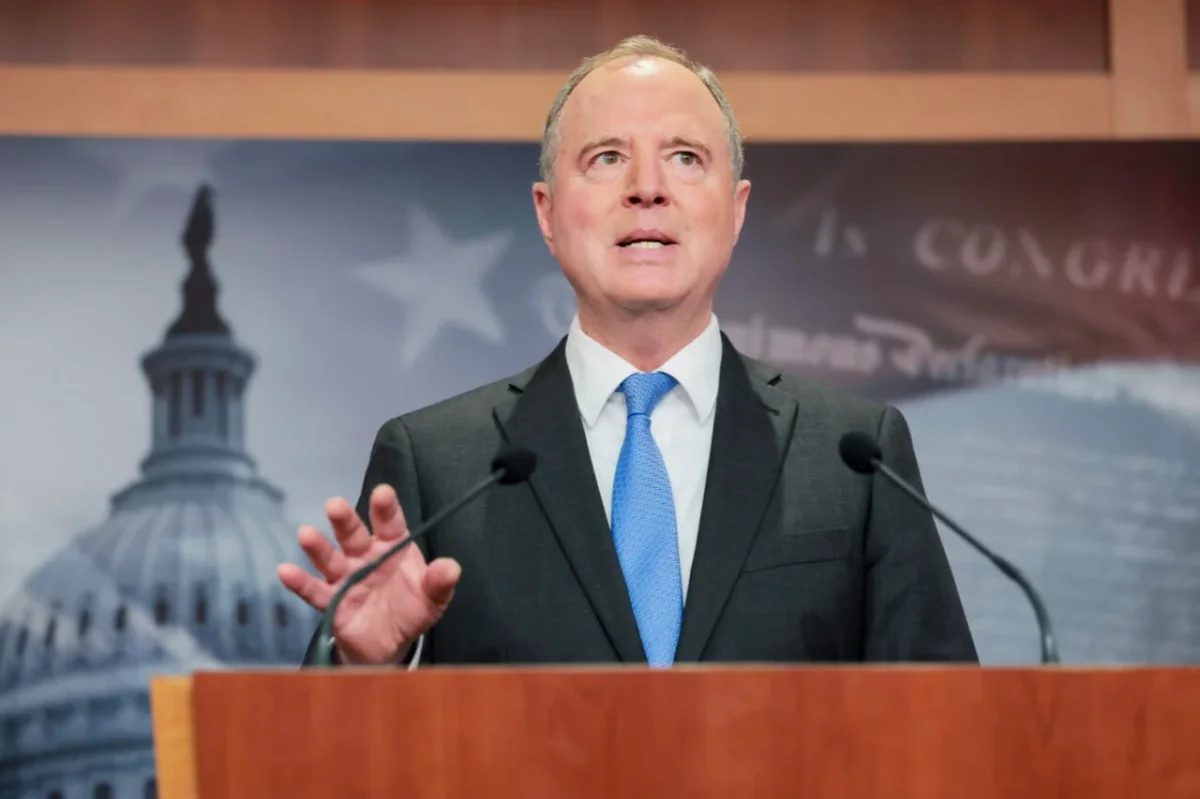
Legislation aimed at regulating the use of artificial intelligence by the Department of Defense has been introduced by Democrats in Congress. The recently unveiled Human Authority in Lethal Operations (HALO) Act, led by Senator Adam Schiff from California, seeks to ensure that human commanders retain ultimate control over decisions made by autonomous weapon systems.

The proposed bill also includes requirements for thorough documentation of military decision-making processes, protections for whistleblowers, and restrictions on AI applications in nuclear weapons and mass surveillance scenarios. Senator Schiff emphasized the necessity of establishing common-sense regulations to align the Defense Department's AI practices with national security and privacy concerns.

AI's role in military operations has been a topic of increasing concern, particularly following a failed agreement between the Pentagon and Anthropic, which led to the company's designation as a supply chain risk. This incident has intensified discussions about ethical considerations in the deployment of AI technologies, prompting the Pentagon to engage with other major AI firms such as OpenAI, Google, and Microsoft to secure their services.

Want to read the full article? Access the original article with all the details.
Read Original Article
TL;DR

This article is an original summary for informational purposes. Image credits and full coverage at the original source. · View Content Policy

Editorial
Editorial Staff

Our editorial team works around the clock to bring you the latest tech news, trends, and insights from the industry. We cover everything from artificial intelligence breakthroughs to startup funding rounds, gadget launches, and cybersecurity threats. Our mission is to keep you informed with accurate, timely, and relevant technology coverage.

Press Enter to search or ESC to close