
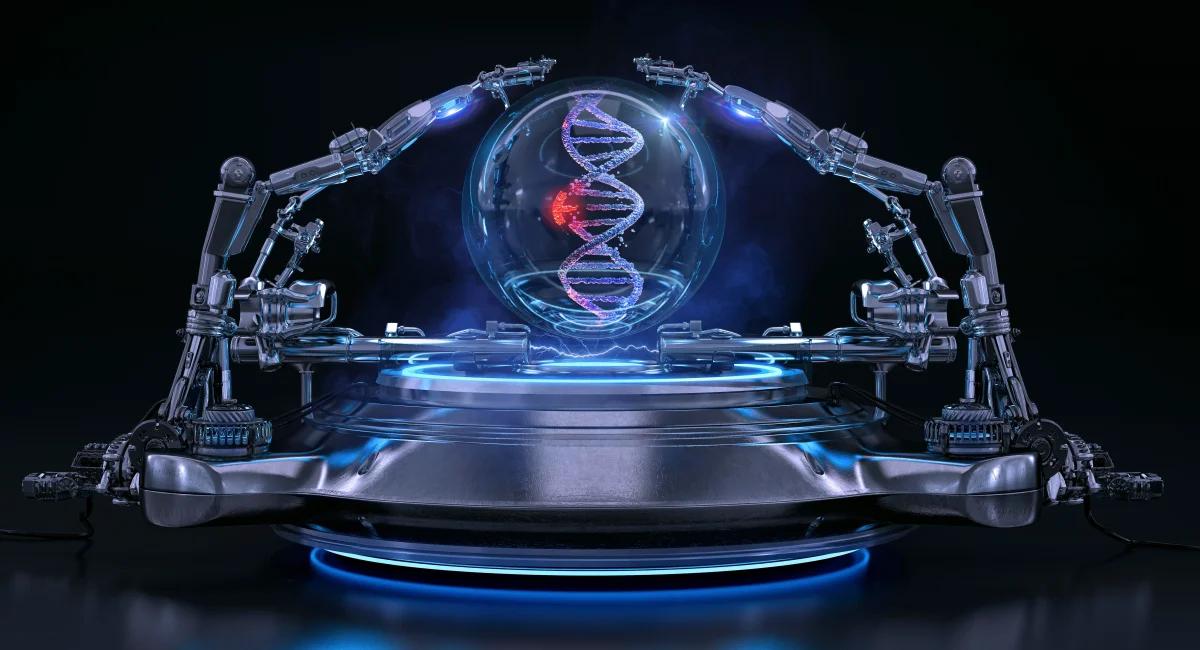

Recent advancements in biotechnology and artificial intelligence signal a potential shift in our future. On June 1, a team of scientists announced a significant breakthrough in human embryonic DNA editing, achieving a level of precision previously unseen. This development could pave the way for eradicating severe genetic diseases in future generations, while also raising concerns about the emergence of “designer babies,” as highlighted by science writer Carl Zimmer in the New York Times.
Simultaneously, AI company Anthropic revealed that its AI system, Claude, has been instrumental in generating much of its own code, leading to an eightfold increase in productivity over the past two years. The implications of this self-improving AI technology suggest a rapid evolution of intelligent systems, potentially outpacing current institutional readiness, according to Anthropic co-founder Jack Clark.
These developments from vastly different fields underscore a looming reality where humanity might soon possess unprecedented capabilities—both in creating enhanced humans and advanced intelligences. The intersection of these breakthroughs emphasizes the need for careful consideration of their societal impacts.