
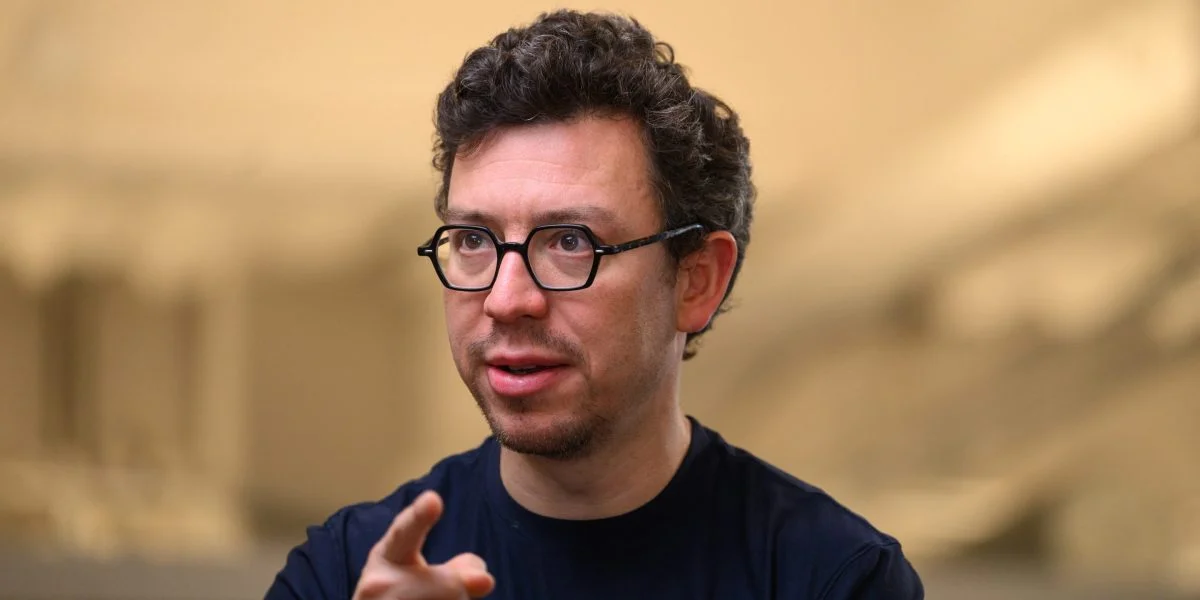

Duolingo Employees Celebrate as CEO Reverses AI Evaluation Policy Following Criticism

Duolingo Employees Celebrate as CEO Reverses AI Evaluation Policy Following Criticism

Duolingo's CEO announced a major shift: the company will stop evaluating employee performance based on AI usage, responding to significant user backlash. Why is this pivotal for workplace AI strategies?

NeboAI I summarize the news with data, figures and context
IN 30 SECONDS

IN 1 SENTENCE

SENTIMENT
Neutral

𒀭
NeboAI is working, please wait...
Preparing detailed analysis
Quick summary completed
Extracting data, figures and quotes...
Identifying key players and context
DETAILED ANALYSIS
SHARE

NeboAI produces automated editions of journalistic texts in the form of summaries and analyses. Its experimental results are based on artificial intelligence. As an AI edition, texts may occasionally contain errors, omissions, incorrect data relationships and other unforeseen inaccuracies. We recommend verifying the content.

Duolingo is shifting its focus on employee evaluations concerning the use of artificial intelligence. CEO Luis von Ahn announced on April 28, 2025, that the company will no longer assess employees based on their AI usage, a decision that comes after a year of implementing an “AI-first” approach. This reversal follows significant public backlash and dissatisfaction from users who felt the metric was not aligned with genuine job performance.

In a recent podcast interview, von Ahn highlighted feedback from employees who expressed concerns about the potential for AI to overshadow actual work contributions. He clarified that while AI can enhance productivity, it should not be mandatory in every employee's role. This new direction contrasts with other companies like Meta and Omnisend, which continue to emphasize AI engagement in their workplaces.

A survey from WalkMe revealed that over a third of employees are hesitant to use AI, fearing workflow disruptions and job security threats. Von Ahn's previous comments about AI replacing contractors had raised concerns, but he has since reassured that human engineers remain vital in the workforce, stating, “AI is not yet better at coding than humans.”

Want to read the full article? Access the original article with all the details.
Read Original Article
TL;DR

This article is an original summary for informational purposes. Image credits and full coverage at the original source. · View Content Policy

Editorial
Editorial Staff

Our editorial team works around the clock to bring you the latest tech news, trends, and insights from the industry. We cover everything from artificial intelligence breakthroughs to startup funding rounds, gadget launches, and cybersecurity threats. Our mission is to keep you informed with accurate, timely, and relevant technology coverage.

Press Enter to search or ESC to close