
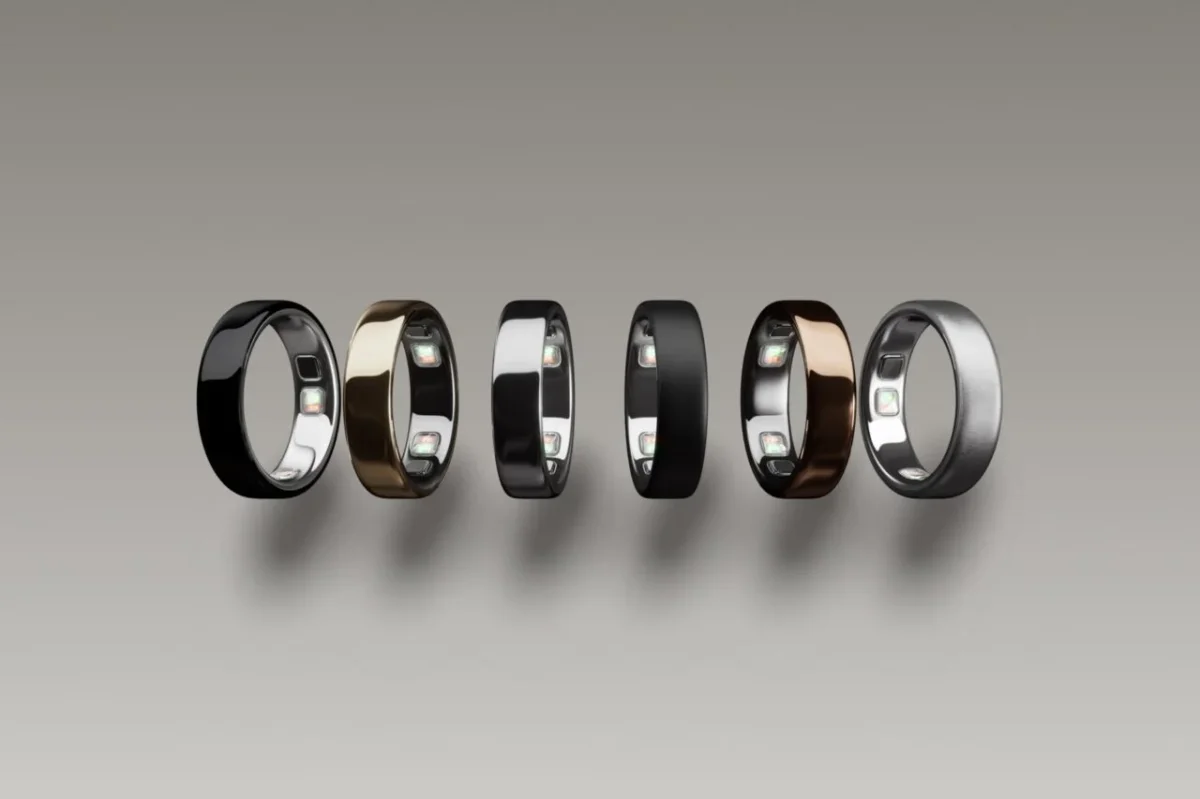

The concept of wearable AI technology has faced significant public resistance, particularly highlighted by the backlash against the Friend AI pendant, which was heavily advertised in New York City's subway system. Introduced in late 2025, the device aimed to serve as a portable chatbot, but many interpreted its marketing as undermining human relationships, prompting widespread defacement of its promotional materials. A notable instance included graffiti urging users to "Call your mom," reflecting the public sentiment.
Despite this setback, the potential for AI wearables remains alive. Companies like Apple and Meta continue to explore the market, seeing opportunities beyond the failed "companion" model of Friend and the Humane AI Pin, which also struggled to gain consumer traction before its assets were sold to HP. The initial hype surrounding these devices may not guarantee their success, but the rapid evolution of AI technology since the launch of ChatGPT in 2022 suggests that innovation in this space is far from over.
As developers learn from past mistakes, future iterations of AI wearables could focus more on personalized functionality rather than companionship, paving the way for new applications that better resonate with users' needs.