
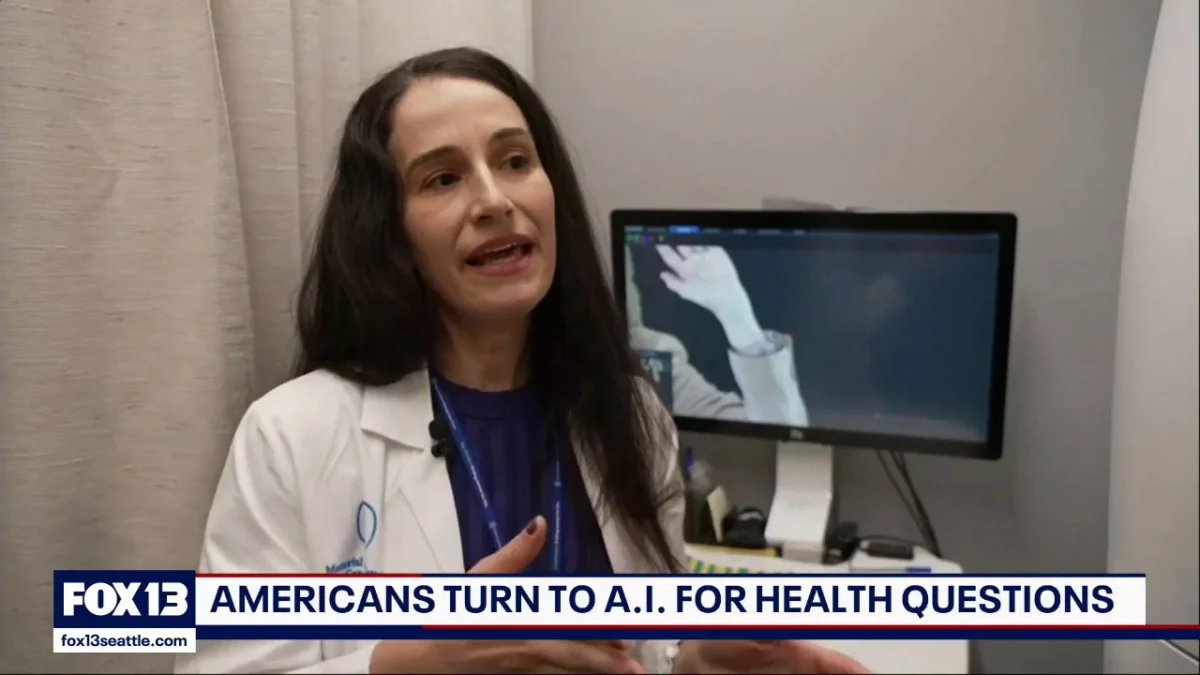

As more individuals seek assistance from artificial intelligence in health-related matters, the integration of technology into personal healthcare is becoming increasingly prevalent. Medical professionals at Memorial Sloan Kettering Cancer Center are set to incorporate AI into their skin cancer detection practices starting January 15, 2026. These advancements aim to enhance the accuracy of diagnoses and streamline care delivery.
AI-driven tools can analyze skin lesion images with precision that rivals experienced dermatologists, potentially leading to quicker and more effective patient outcomes. Despite the promising capabilities of AI, experts, including Dr. John Smith, urge that human oversight remains crucial in clinical settings, stating that AI should complement—not replace—medical expertise.
This rising trend also encompasses health monitoring and wellness guidance, with many Americans utilizing AI applications for diet, fitness, and mental health support. However, the deployment of AI in healthcare introduces ethical challenges, particularly concerning the privacy of sensitive health data, highlighting the need for careful management as these technologies become more commonplace in patient care.