
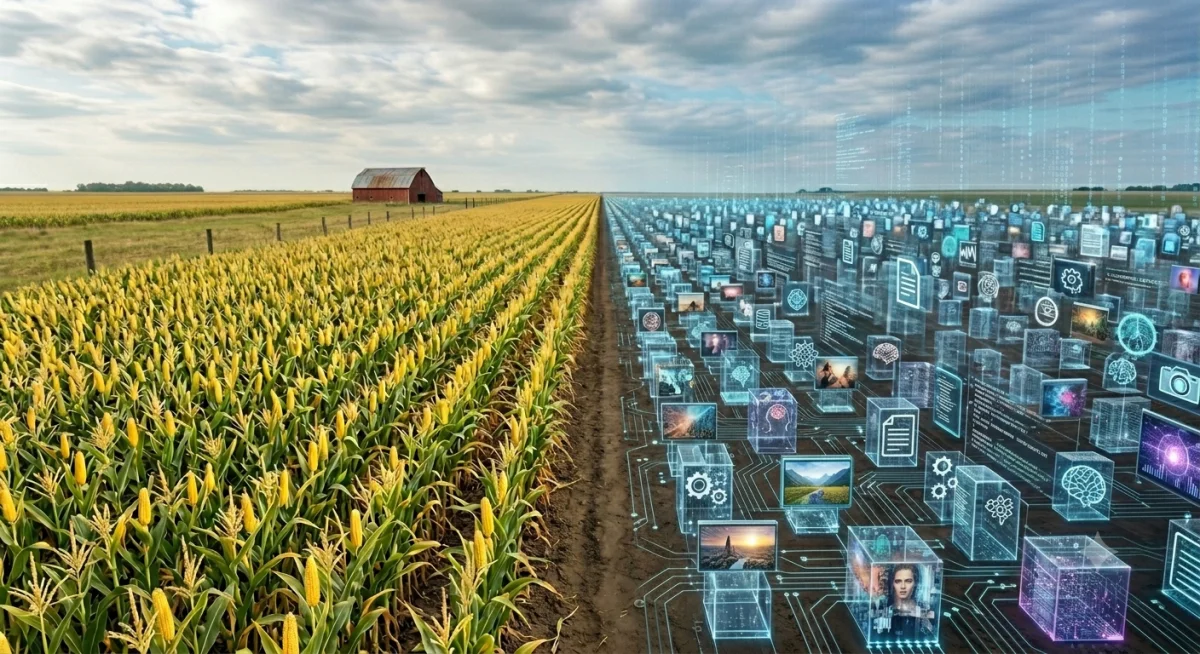

Recent actions by Wikipedia's volunteer editors have resulted in a ban on large language models for article generation and rewriting. This decision comes amidst findings from Gartner, which indicate that 53% of U.S. consumers express distrust towards AI-driven search results, with 61% preferring to disable AI-generated summaries. This growing sentiment is echoed by the rise of “Made by Humans” badges on platforms like Substack, signifying a public pushback against AI content.
In 2024, the establishment of TrueMedia.org aimed to combat political deepfakes highlights concerns surrounding AI. While the debate continues, some experts suggest that the anti-AI-content movement may follow a trajectory similar to that of the anti-GMO movement. Historical parallels reveal that despite initial resistance, acceptance of genetically modified organisms grew significantly over time.
For instance, by 2025, herbicide-tolerant soybeans represented 96% of U.S. soybean acreage, a drastic increase from 17% in 1997. The introduction of the National Bioengineered Food Disclosure Standard in January 2022 did not lead to significant behavioral changes among consumers, indicating a potential shift in public perception over time.