
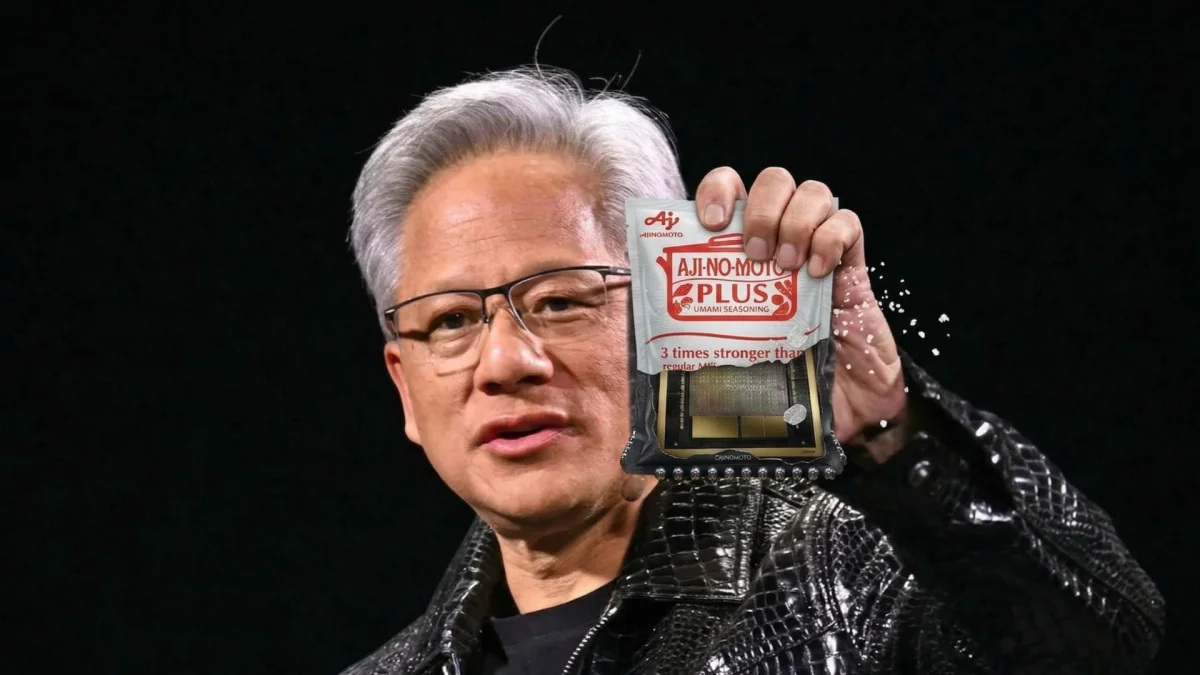

The urgent need for artificial intelligence technologies is causing significant disruptions within the semiconductor supply chain, particularly affecting advanced packaging. A key material at the center of this issue is the Ajinomoto Build-up Film (ABF), produced by Ajinomoto, a company traditionally associated with food products. Its role in supplying ABF highlights a bottleneck in manufacturing essential for high-performance AI chips.
As the demand for AI infrastructure escalates, companies are facing shortages not only in semiconductors but also in critical components like packaging and assembly services. This increasing complexity in forecasting demand has led to supply challenges, forcing many suppliers to raise prices as a temporary fix. ABF is crucial for maintaining signal integrity at high frequencies and is needed in larger quantities as AI chips grow in size, requiring up to sixteen layers of substrate.
Ajinomoto Fine-Techno is the primary supplier of ABF, with other companies like Ibiden and Taiwan's Unimicron involved in substrate production and finishing. Despite efforts by Ajinomoto to ramp up production, risks remain regarding potential overcommitment and yield rates, especially with new manufacturing methods like semi-additive patterning. The escalating requirements for ABF layers signify ongoing constraints in this critical supply chain.