
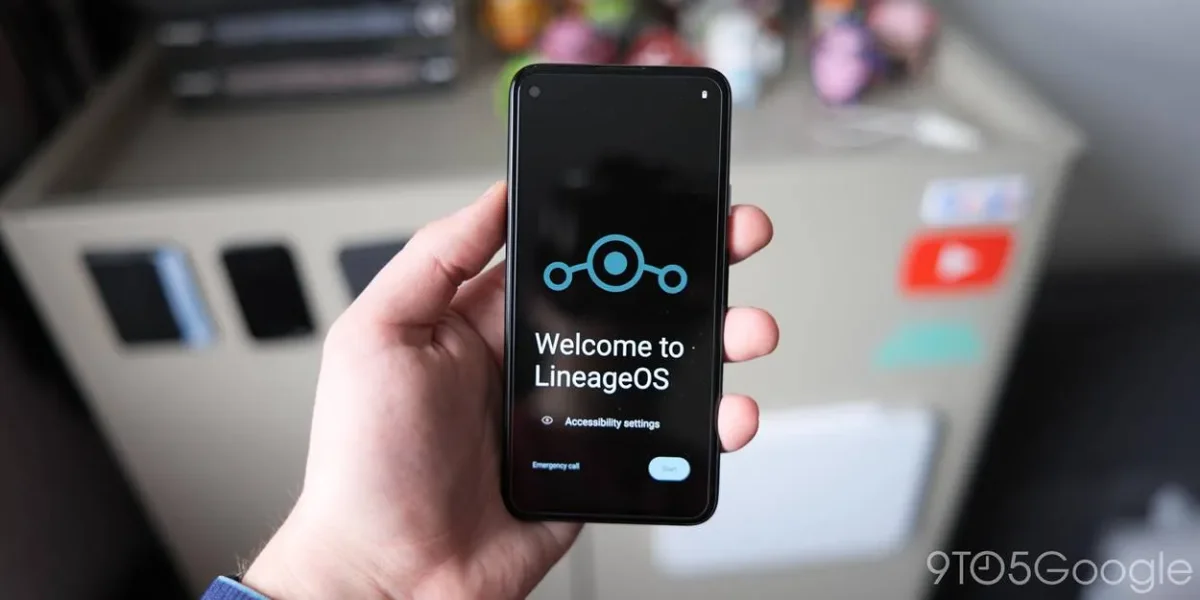

Over the past 15 years, the landscape of the Android ROM scene has shifted dramatically. Once a vibrant community thriving with nightly builds and a plethora of projects, the custom ROM environment has faced significant challenges, leading many to question its viability today.
In the early days, users often turned to custom ROMs as a remedy for the shortcomings of Android OEM software, which was characterized by poor update schedules and excessive bloatware. Notably, CyanogenMod became a benchmark for alternative Android experiences, offering users a streamlined interface reminiscent of Nexus devices.
As manufacturers have improved their software and update practices, the need for custom ROMs has diminished. Most brands now provide solid support and regular updates, especially for midrange and flagship devices. The influence of custom ROMs is evident in modern Android skins, with features like dark mode and customizable icons now standard offerings.
Despite these advancements, enthusiasts wonder whether the custom ROM community can regain its former glory or if it has become obsolete in the face of improved OEM solutions.