

GNOME offers a unique approach to desktop environments, emphasizing a dynamic workspace system that enhances user interaction. Unlike traditional desktops that feature a taskbar and minimize options, GNOME centers around multiple workspaces, allowing users to zoom out to see an overview of their applications and active tasks. This method promotes a more organized and visually engaging interface.
With only a close button available for applications, GNOME encourages users to manage their open windows actively. Users can double-click the title bar to enlarge windows or drag them to the top of the screen, but minimizing is less emphasized. Instead, users are prompted to move apps to different workspaces if they are not currently in use, fostering a more intentional use of screen space.
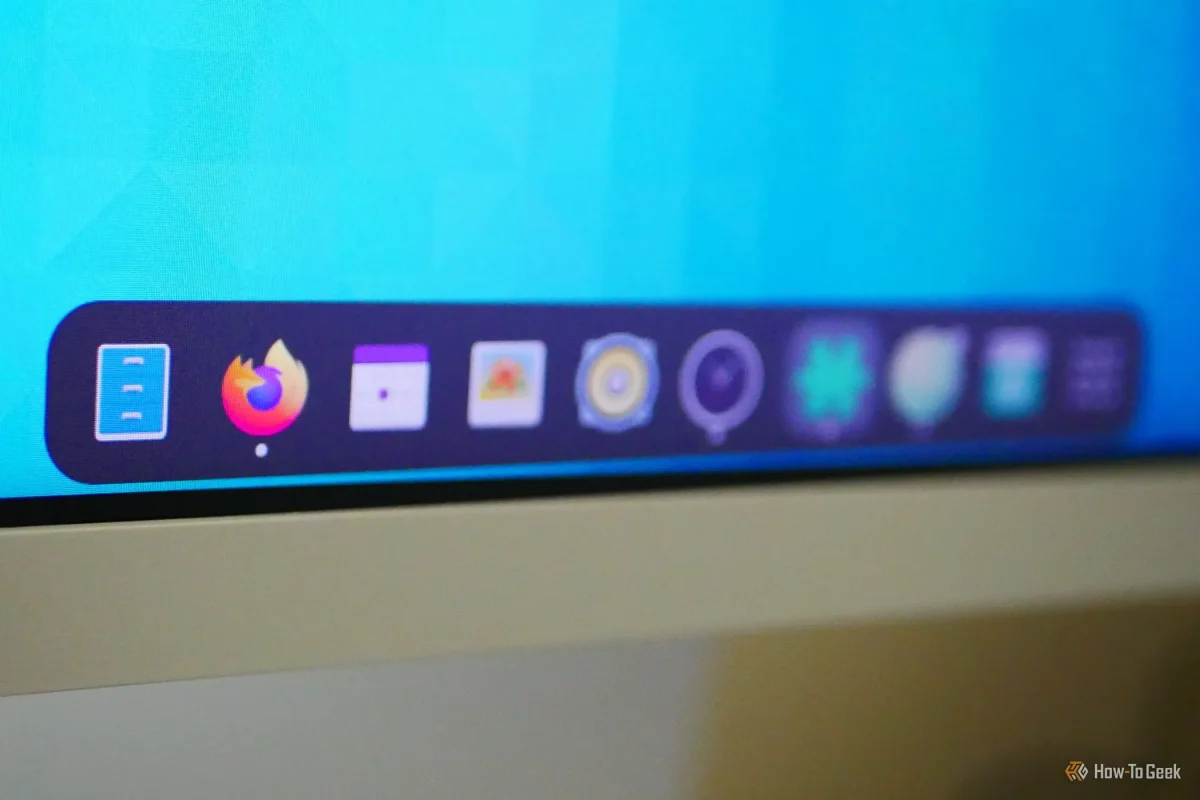
The interface's design also includes a dock that reveals pinned applications, sliding up from the bottom when needed, thus maintaining a clean desktop appearance. This innovative layout challenges conventional desktop paradigms found on operating systems like Windows and various Linux distributions.