
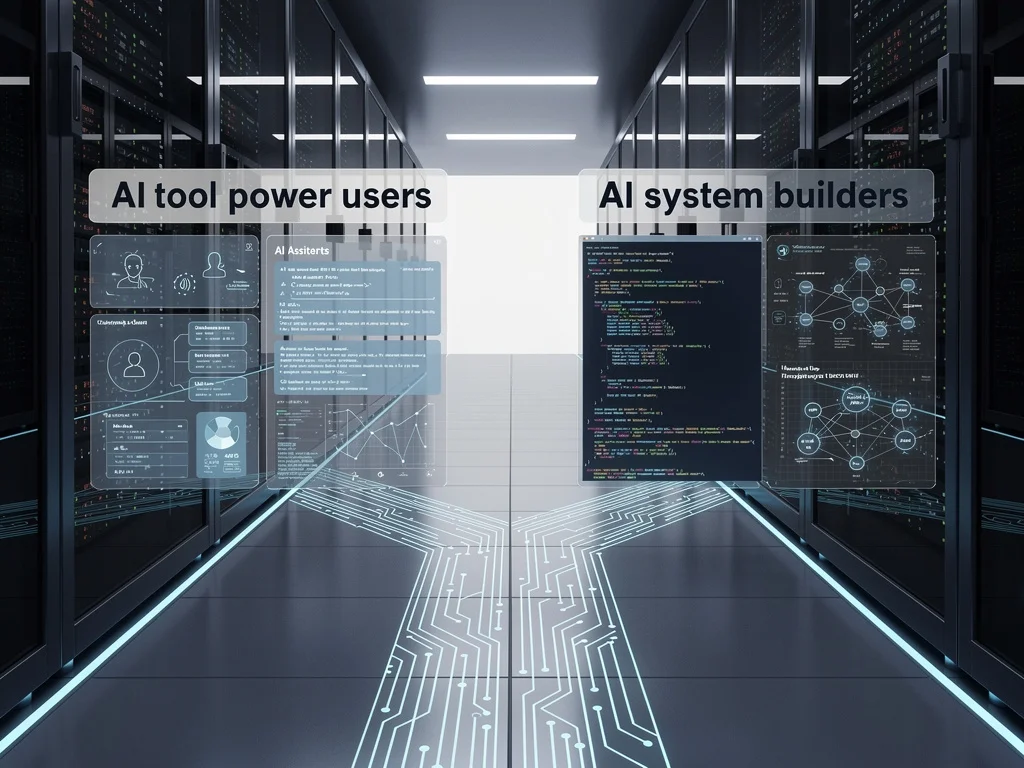

In a significant shift within the field of software engineering, the rise of generative artificial intelligence (AI) is redefining roles and required skills. A recent study from MIT and GitHub reveals that developers using AI coding assistants can complete tasks over 55% faster than their counterparts who do not utilize these tools, highlighting a marked increase in productivity.
This transformation is prompting developers to make critical choices: they can either adopt AI as a vital collaborator or pivot to focus on developing and refining such technologies. The role of the developer is evolving from traditional coding tasks to strategic oversight, where understanding software architecture and debugging capabilities become paramount.
As AI tools automate routine tasks like writing unit tests, the necessity for traditional programming skills is diminishing, thus creating a divide in the profession. Some developers are now classified as “AI-assisted developers,” who must excel in crafting sophisticated prompts for AI and critically assessing AI-generated outputs. This evolution signifies a shift toward higher-order problem-solving and more substantive project engagement.