
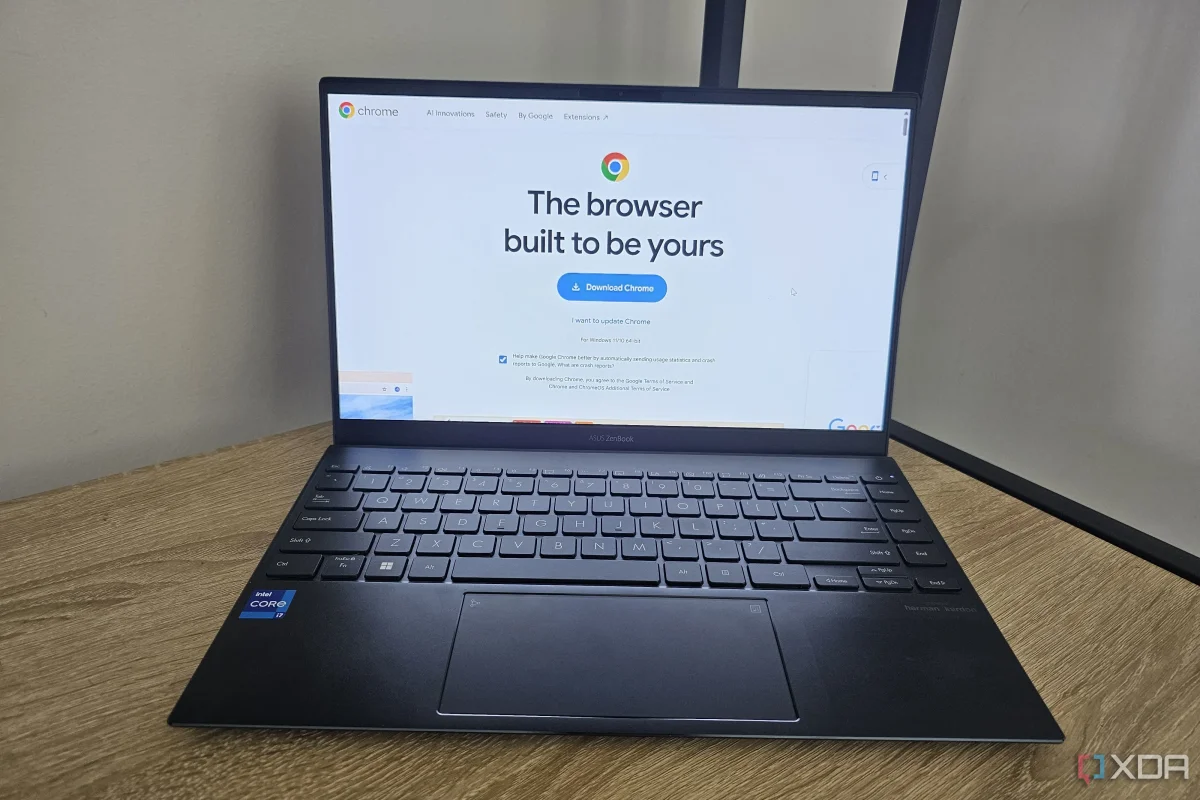

Google Chrome has been criticized for its significant resource consumption, particularly as users open more tabs. Reports indicate that with around 10 tabs, Chrome typically exceeds 1GB of RAM usage, and that figure can reach between 1.8 to 2GB with 20 tabs open. This excessive demand on system resources has led some users to seek alternatives.
In a notable contrast, browsers like Brave and Firefox demonstrate better memory management under similar conditions. Users have observed that Firefox consumes several hundred megabytes less than Chrome when handling the same number of tabs, while Brave has shown even greater efficiency by blocking ads and trackers, thereby minimizing resource use.
Furthermore, Chrome's performance issues have been linked to its high CPU usage, which can significantly impact battery life on devices. For instance, users have reported that their MacBook Air experiences a reduction in screen-on time by up to two hours due to Chrome's background activity and aggressive resource demands.
This ongoing struggle with performance and privacy has prompted many to reconsider their choice of browser, especially as it became evident that Google settled a $5 billion lawsuit related to user tracking, further questioning the browser's reliability for users seeking privacy.