

Wikipedia remains a pivotal resource in the digital landscape, offering a wealth of information that is both free and rigorously verified. Since its inception in 2001, it has relied on volunteer editors and public donations to uphold its mission of compiling the sum of human knowledge. This open-source encyclopedia is often viewed as a rare triumph in an era increasingly dominated by corporate interests.
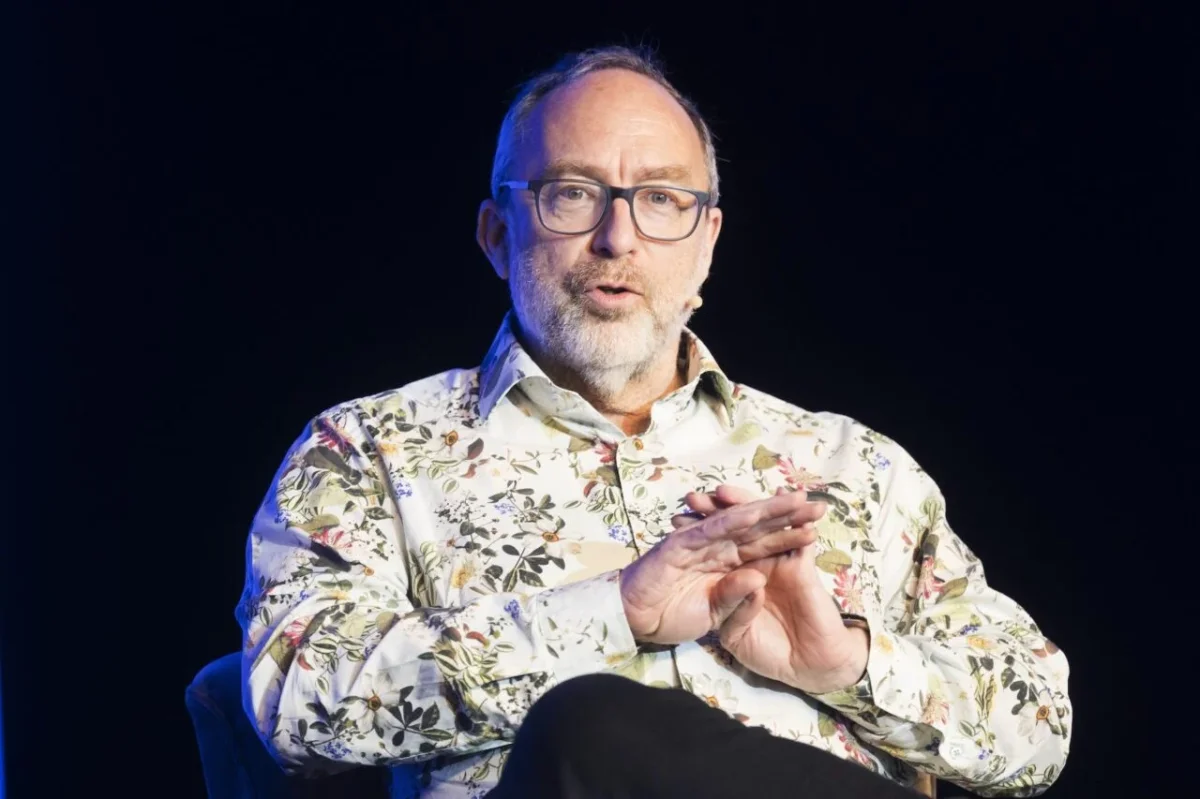
Elon Musk has launched an AI-driven alternative called Grokipedia, positioning it as a competitor to Wikipedia. Recently, during the AI Impact Summit in New Delhi, co-founder Jimmy Wales responded to concerns regarding Grokipedia, referring to it as “a cartoon imitation of an encyclopedia.” Despite emerging threats, Wales emphasized the importance of human oversight in maintaining the integrity of Wikipedia’s content.
Wales articulated that human-vetted knowledge is vital, stating, “We would not consider for a second today letting an AI just write Wikipedia articles.” He highlighted the tendency of AI to produce inaccurate or misleading information, particularly when exploring niche topics, a challenge that human contributors effectively manage. A study conducted by OpenAI in 2025 revealed that even advanced AI models exhibited hallucination rates of up to 79%. This underscores the value of Wikipedia's human editorial process in ensuring accuracy and reliability.