
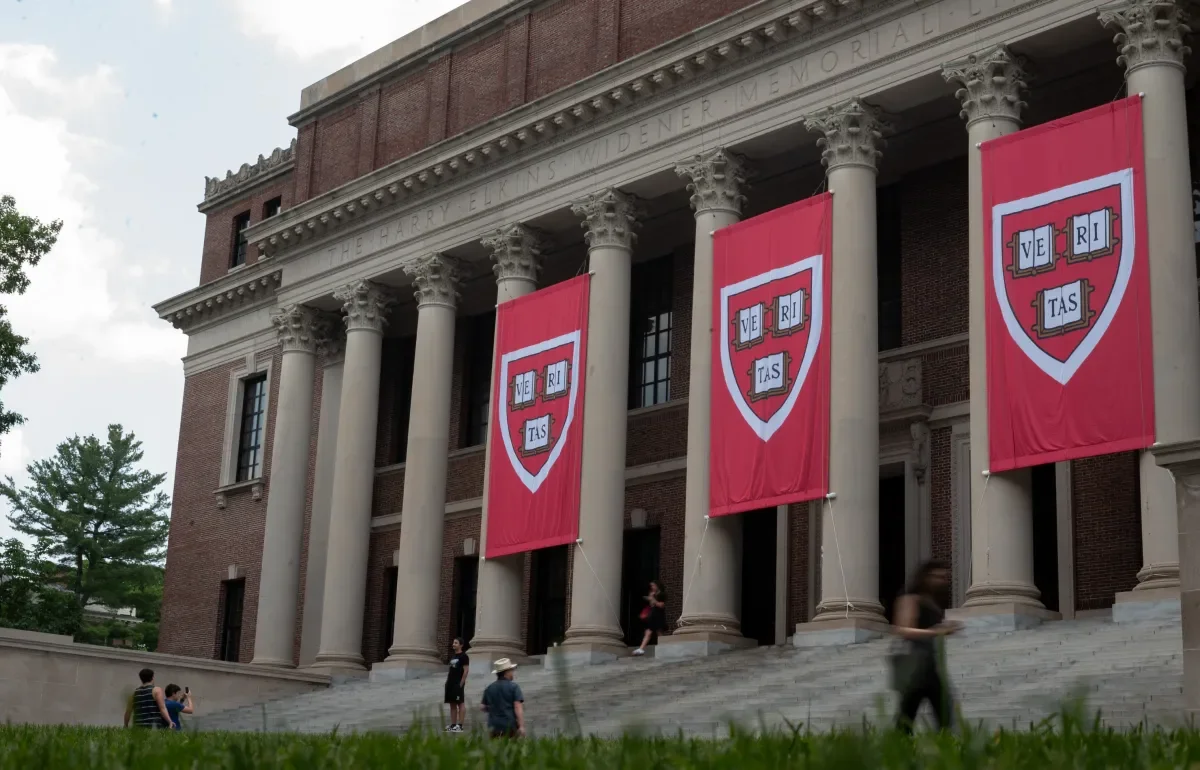

Victims of Harvard and UPenn data breaches face privacy crisis as hackers leak info

Victims of Harvard and UPenn data breaches face privacy crisis as hackers leak info

Over 1 million records from Harvard and UPenn have been leaked by ShinyHunters, exposing sensitive alumni data after both universities declined ransom payments.

NeboAI I summarize the news with data, figures and context
IN 30 SECONDS

IN 1 SENTENCE

SENTIMENT
Neutral

𒀭
NeboAI is working, please wait...
Preparing detailed analysis
Quick summary completed
Extracting data, figures and quotes...
Identifying key players and context
DETAILED ANALYSIS
SHARE

NeboAI produces automated editions of journalistic texts in the form of summaries and analyses. Its experimental results are based on artificial intelligence. As an AI edition, texts may occasionally contain errors, omissions, incorrect data relationships and other unforeseen inaccuracies. We recommend verifying the content.

A hacking group, known as ShinyHunters, has released what it claims are over 1 million records stolen from both Harvard University and the University of Pennsylvania (UPenn). This data leak, made public on their dedicated site, follows confirmed breaches at both institutions last year, where cybercriminals exploited vulnerabilities through social engineering techniques.

In November, UPenn acknowledged that its alumni and development systems had been compromised, although the specific types of data accessed were not detailed in their initial communication. The university attributed the breach to social engineering tactics, which involve tricking individuals into revealing sensitive information. Similarly, Harvard disclosed a breach in its alumni systems, citing a voice phishing attack as the method used to infiltrate its data.

The stolen information from both universities reportedly includes sensitive details such as email addresses, phone numbers, home and business addresses, and records related to donations and event attendance. TechCrunch has verified parts of the leaked dataset, confirming its authenticity by cross-referencing it with public records and alumni information. According to the hackers, the data was published after the universities declined to meet their ransom demands.

Want to read the full article? Access the original article with all the details.
Read Original Article
TL;DR

This article is an original summary for informational purposes. Image credits and full coverage at the original source. · View Content Policy

Editorial
Editorial Staff

Our editorial team works around the clock to bring you the latest tech news, trends, and insights from the industry. We cover everything from artificial intelligence breakthroughs to startup funding rounds, gadget launches, and cybersecurity threats. Our mission is to keep you informed with accurate, timely, and relevant technology coverage.

Press Enter to search or ESC to close