
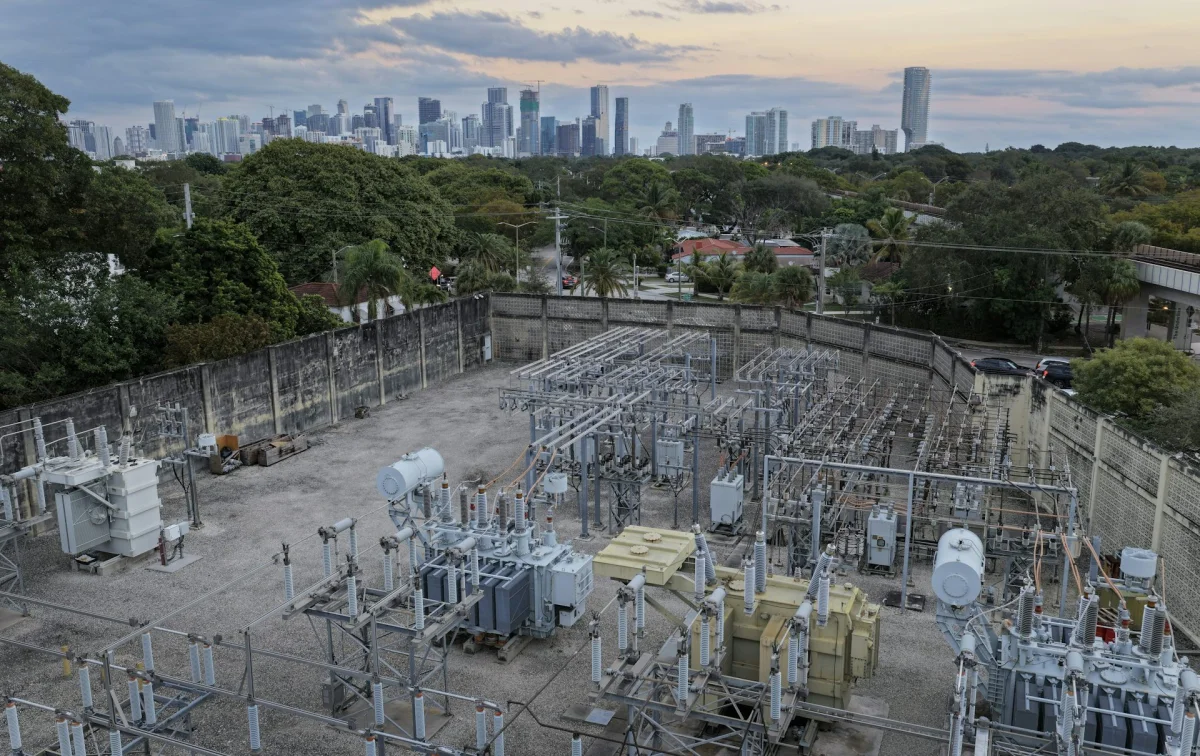

The recent events in Caracas on January 3, 2026, highlighted a groundbreaking shift in modern warfare, blending physical military operations with intricate cyber strategies. U.S. special operations forces executed a significant operation targeting Venezuelan President Nicolás Maduro, while simultaneously, a sophisticated cyber offensive disrupted the city’s electrical systems.
This incident was not caused by traditional means such as damaged infrastructure; instead, it stemmed from a calculated manipulation of the industrial control systems that regulate power distribution. The convergence of these tactics illustrates a new era in global conflict, where advanced cyber capabilities can serve as formidable weapons.
Researchers have shown that malware can infiltrate these systems, enabling the takeover of critical machinery. For instance, it can replace legitimate commands with harmful ones, leading to dangerous conditions like overheating transformers or generator failures. As a result, operators may remain unaware of actual issues due to misleading sensor data, creating a dangerous disconnect between the digital interface and physical reality.