
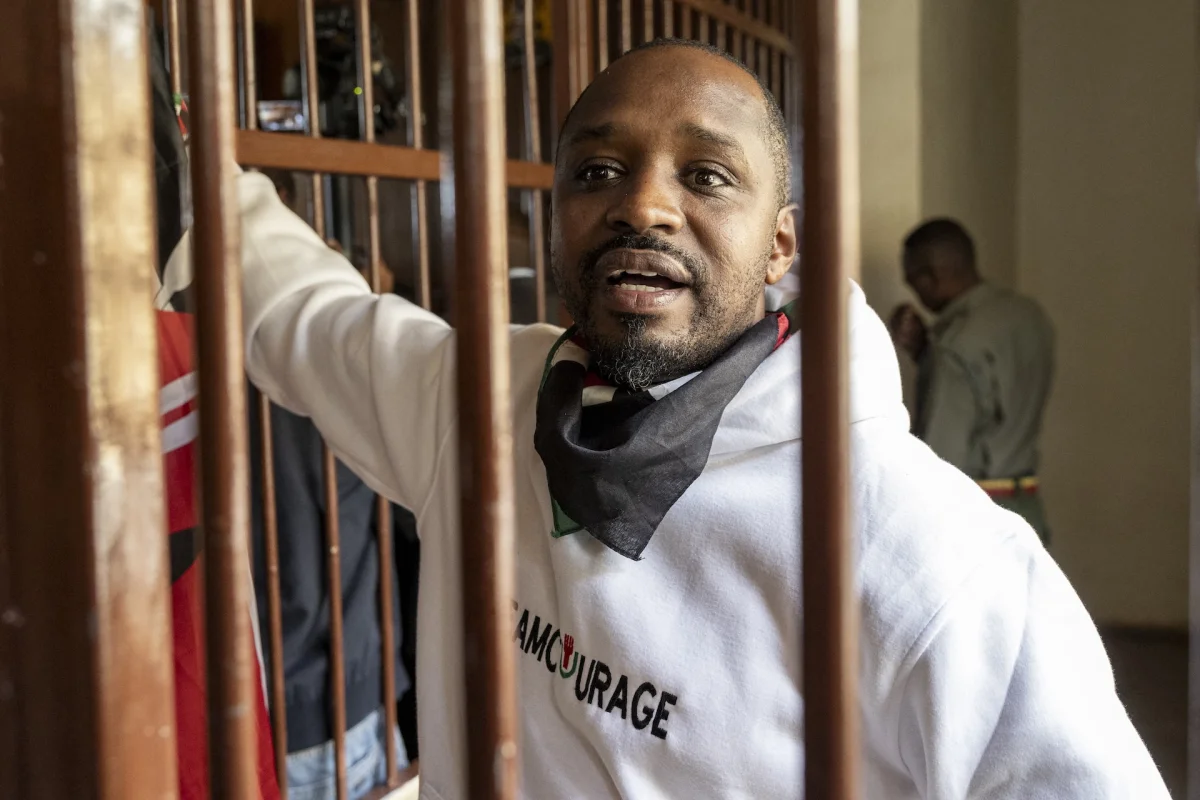

Forensic analysis conducted by the University of Toronto’s Citizen Lab has revealed that authorities in Kenya reportedly utilized Cellebrite technology on the phone of human rights advocate Boniface Mwangi following his arrest in July. Mwangi experienced a disturbing change in his phone's access, which no longer required a password, leading to suspicions of unauthorized access.
The incident surfaced amid Mwangi's controversial arrest during mass protests, initially linked to potential terrorism charges, which were later downgraded. Following the event, he submitted his device to Citizen Lab for examination, which indicated that data extraction had likely occurred using Cellebrite's tools. Mwangi expressed feelings of violation, noting that his phone contained sensitive personal information.
Citizen Lab criticized Cellebrite's assurances of ethical safeguards, highlighting the recurring issue of misuse of its technology. John Scott-Railton, a senior researcher, emphasized that cases like Mwangi's reflect broader concerns regarding the use of Cellebrite's products by agencies with histories of human rights violations. The U.S. government, including the Immigration and Customs Enforcement, is also a client of Cellebrite. Despite inquiries from Citizen Lab, the company did not provide specific responses but defended its protocols for addressing technology misuse.