
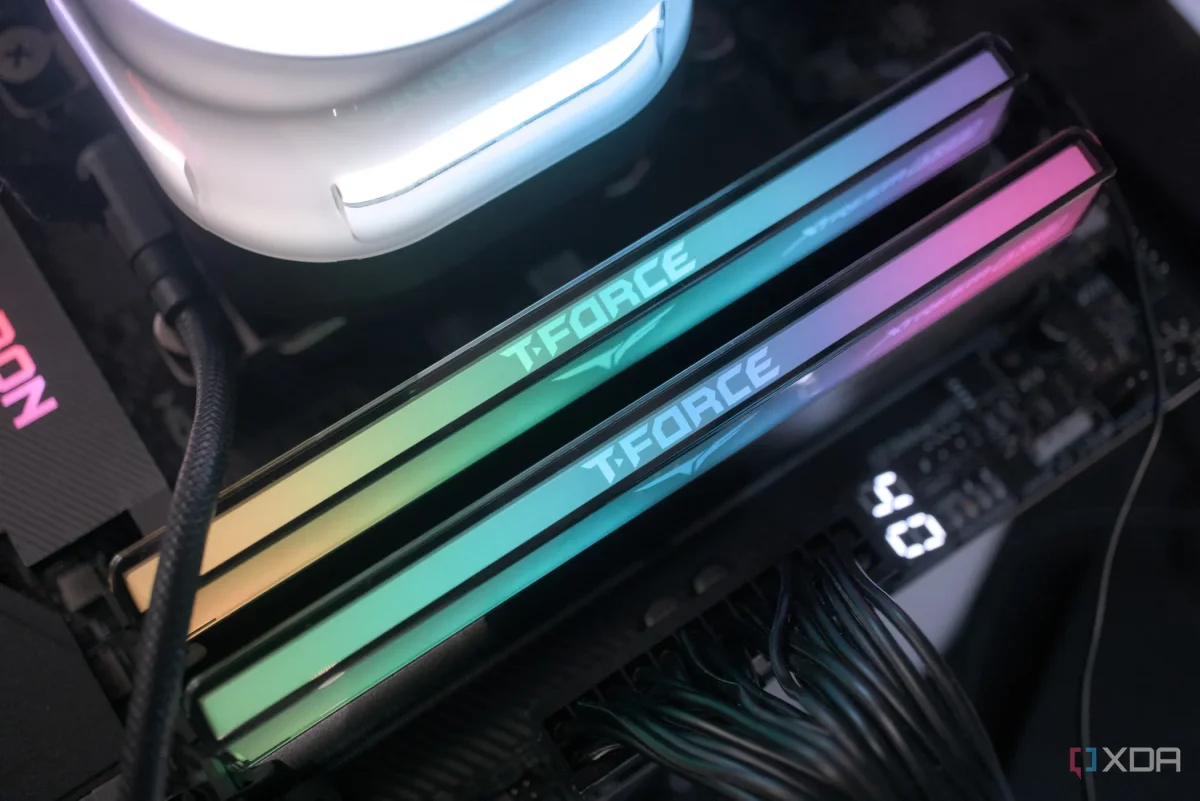

The rising costs of DRAM and VRAM are impacting the PC gaming market significantly, with prices for 64GB kits now comparable to entire gaming consoles. This trend, dubbed "RAMflation," reflects a shift away from prioritizing gamers as companies like Micron pivot towards AI contracts, suggesting that artificial intelligence is becoming the primary focus of the industry. As a result, gamers may face challenges as future GPU models could arrive without memory, forcing manufacturers to independently source it.
Recent titles such as Hogwarts Legacy and Borderlands 4 have highlighted the consequences of increased memory usage, leading to performance issues like crashes and stuttering on systems that lack top-tier hardware. The widespread adoption of Unreal Engine 5 has exacerbated this situation, as games are released with excessive memory demands.
While the current landscape appears bleak, it may prompt developers to optimize their games more effectively. As RAM prices surge and VRAM availability tightens, studios face pressure to improve performance rather than rely on players’ hardware upgrades. This necessity could ultimately benefit the PC gaming experience, making optimization a priority once again.