
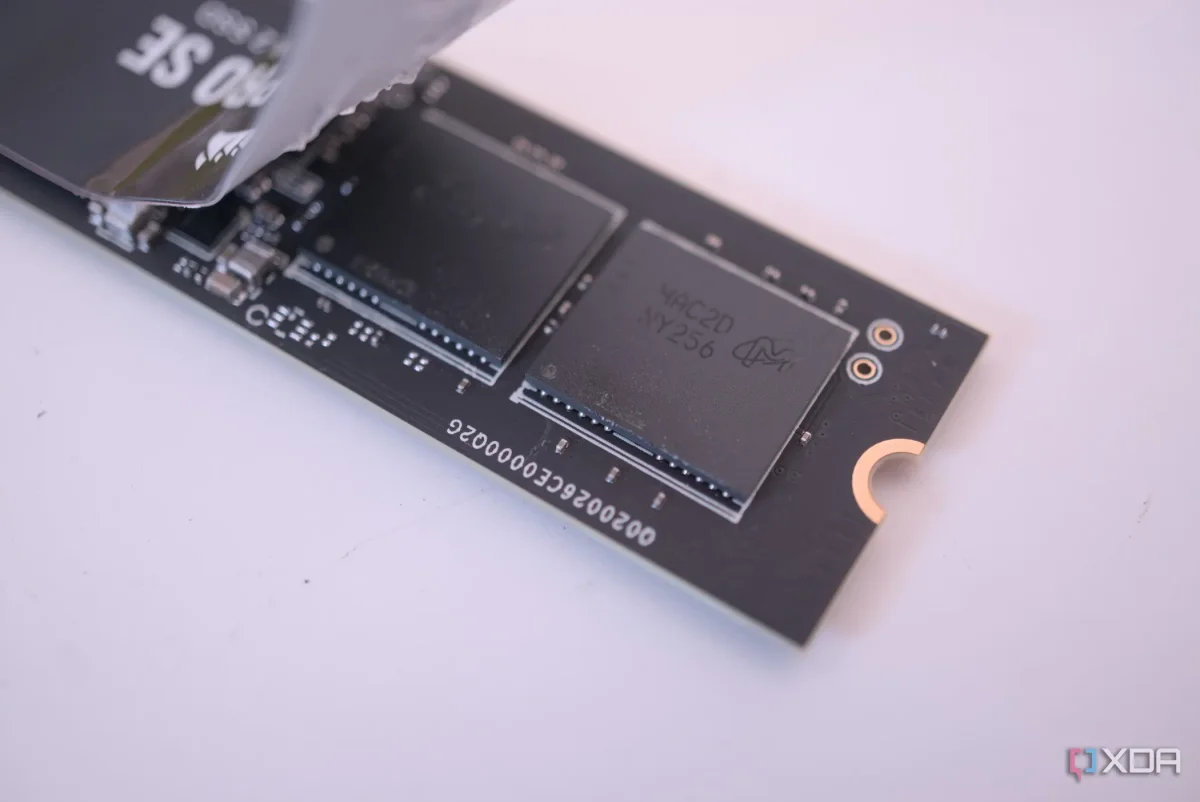

With the advent of DirectStorage, the relationship between gaming and SSD technology is evolving, particularly as developers optimize new titles for faster storage solutions. Although initially hailed as revolutionary, DirectStorage has yet to fully deliver on its promises due to challenges in GPU decompression and existing API limitations. Developers are beginning to recognize that the specifications of SSDs are becoming increasingly critical for performance.
Gen5 SSDs are emerging as a key player, boasting sequential transfer speeds reaching up to 15,000 MB/s. However, despite these impressive numbers, gaming performance improvements have not been as significant as expected when compared to Gen4 or Gen3 SSDs. Instead, gaming has traditionally relied on random access speeds, which have not seen substantial enhancements with PCIe 5.0 technology.
As the gaming landscape shifts, high-end controllers and DRAM cache in SSDs may become essential for maximizing performance. The role of the CPU is being minimized in favor of utilizing the GPU for I/O requests, which enhances overall efficiency in rendering graphics. Consequently, this transition could lead to faster loading times and improved frame rates, making Gen5 SSDs a potentially valuable investment for future gaming experiences.