
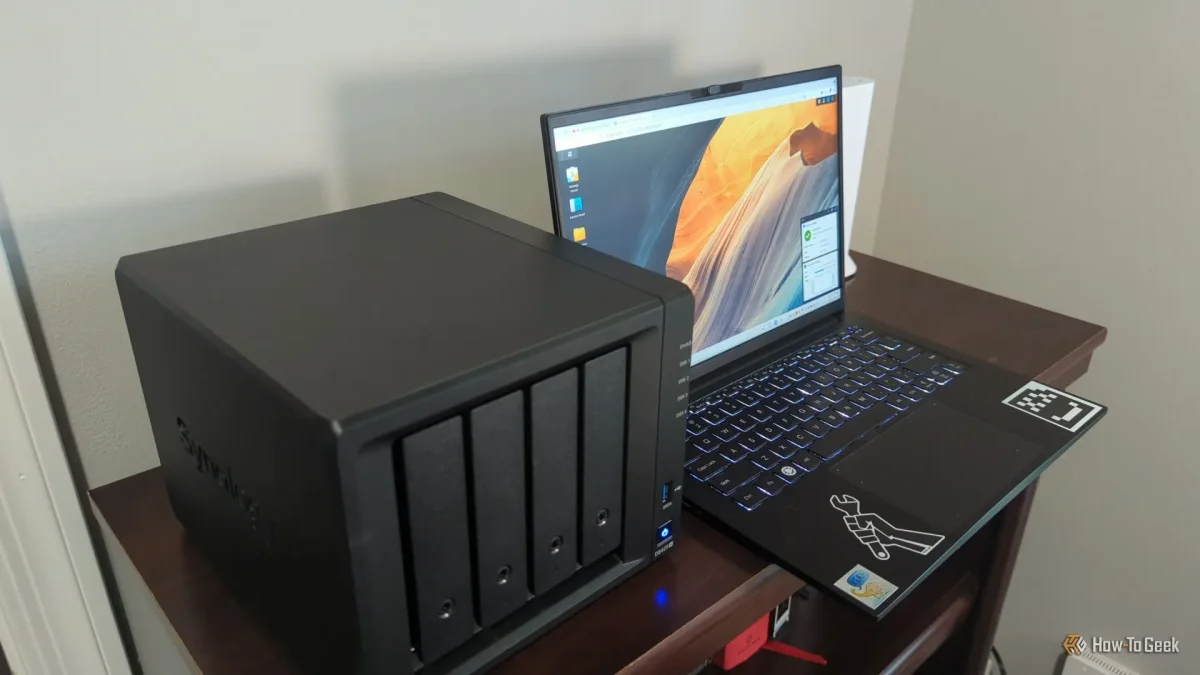

Network-Attached Storage (NAS) systems offer various functionalities that can enhance data management and access. Among the prominent features is link aggregation, which utilizes multiple Ethernet ports to improve network speed and ensure reliability. This method provides advantages such as load balancing, which distributes network traffic across different connections, and fault tolerance, allowing continued operation even if one connection fails.
Additionally, file sharing is a critical aspect of NAS use, enabling users to access files over local networks. Although there are several protocols available for sharing, Samba is commonly used for Windows environments, while NFS is preferred for Linux systems. This feature is particularly beneficial for those running media servers, such as Jellyfin, as it simplifies the process of accessing and managing media files stored on the NAS.
To optimize the performance of your NAS, exploring these features can lead to a more efficient and user-friendly experience. Various modes, such as "round robin" for link aggregation, can be selected based on individual requirements and network configurations.