

Understanding USB Port Colors: Key Differences That Impact Your Device Compatibility

Understanding USB Port Colors: Key Differences That Impact Your Device Compatibility

Over 60% of users are confused by the differences in USB ports, leading to potential slow data transfer and charging issues. Understanding your device's specifications is crucial.

NeboAI I summarize the news with data, figures and context
IN 30 SECONDS

IN 1 SENTENCE

SENTIMENT
Neutral

𒀭
NeboAI is working, please wait...
Preparing detailed analysis
Quick summary completed
Extracting data, figures and quotes...
Identifying key players and context
DETAILED ANALYSIS
SHARE

NeboAI produces automated editions of journalistic texts in the form of summaries and analyses. Its experimental results are based on artificial intelligence. As an AI edition, texts may occasionally contain errors, omissions, incorrect data relationships and other unforeseen inaccuracies. We recommend verifying the content.

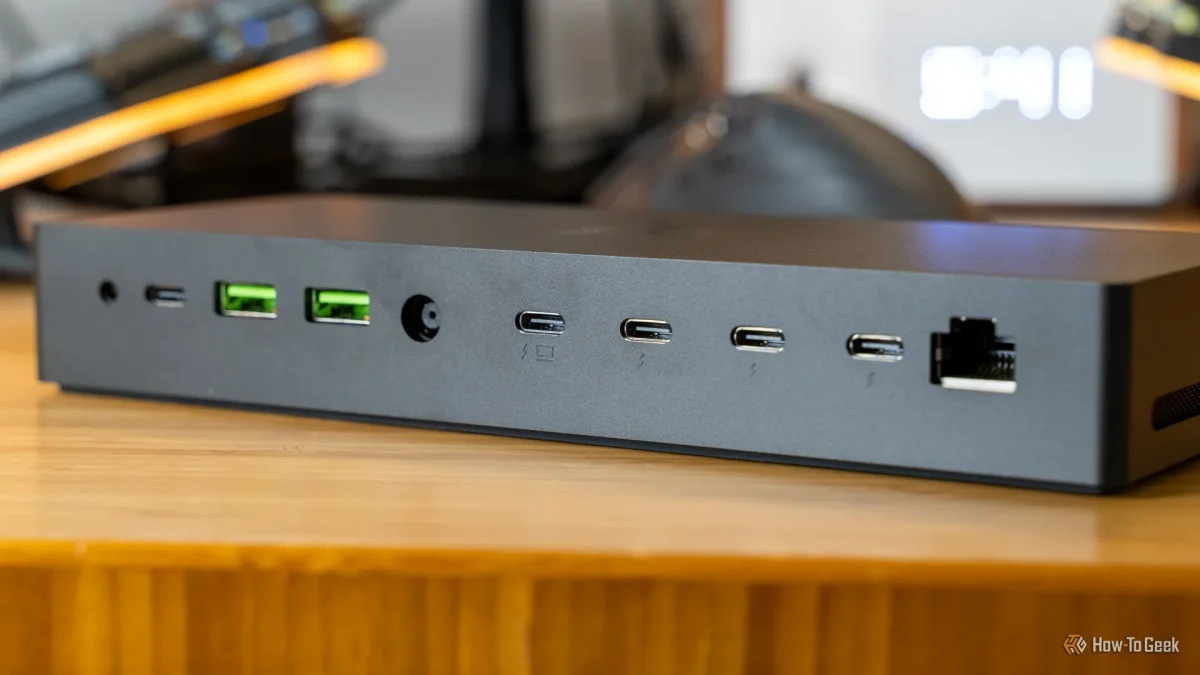
The complexity of USB ports has escalated significantly, leading many users to struggle with the differences among various types. While the basic shapes of USB-A and USB-C provide some indication of compatibility, they do not reveal critical performance characteristics such as speed or charging capabilities.

Over the past decade, the evolution of USB technology has introduced a bewildering array of standards, including USB 3.0, USB 3.1, and USB 3.2, among others. This variety can confuse users, as two ports may appear identical yet function differently. While USB-A remains a common rectangular connector, it can vary greatly in performance, making it difficult for users to determine whether they have a basic USB 2.0 or a fast-charging PD port without consulting device specifications.

As USB ports continue to proliferate and evolve, users may need to familiarize themselves with a cheat sheet to navigate the complexities effectively. The simplicity in design does not guarantee straightforward functionality, and understanding this distinction is essential for optimizing the use of USB technology.

Want to read the full article? Access the original article with all the details.
Read Original Article
TL;DR

This article is an original summary for informational purposes. Image credits and full coverage at the original source. · View Content Policy

Editorial
Editorial Staff

Our editorial team works around the clock to bring you the latest tech news, trends, and insights from the industry. We cover everything from artificial intelligence breakthroughs to startup funding rounds, gadget launches, and cybersecurity threats. Our mission is to keep you informed with accurate, timely, and relevant technology coverage.

Press Enter to search or ESC to close