

The use of enterprise SSDs can offer significant savings, with prices sometimes as low as 30% of new consumer models. However, these drives present challenges that may not be immediately apparent. Buyers should be prepared for potential complications related to compatibility and setup.
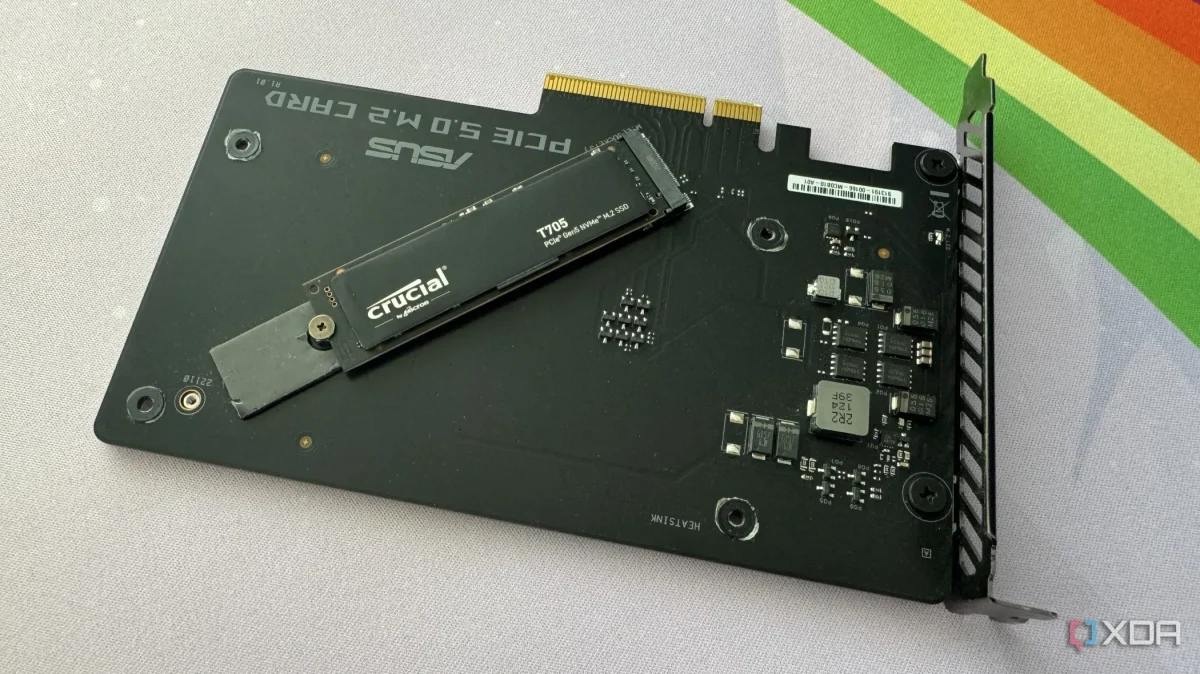
One major issue is the interface; many enterprise SSDs utilize the U.2 connection, which is not standard on consumer motherboards. To connect these drives, users often need a PCIe to U.2 adapter or an M.2 to U.2 cable. This may lead to additional costs that could diminish the initial savings.
Furthermore, firmware compatibility can pose another hurdle. Drives from manufacturers such as Dell, HP, or NetApp may include vendor-specific firmware that prevents them from being recognized by typical disk management tools. Users might need to employ command line tools to reformat the drives, adding to the complexity of the setup process.
For those who prefer a straightforward installation, opting for a brand-new NVMe drive may be advisable, as it typically requires no additional work to function correctly.