
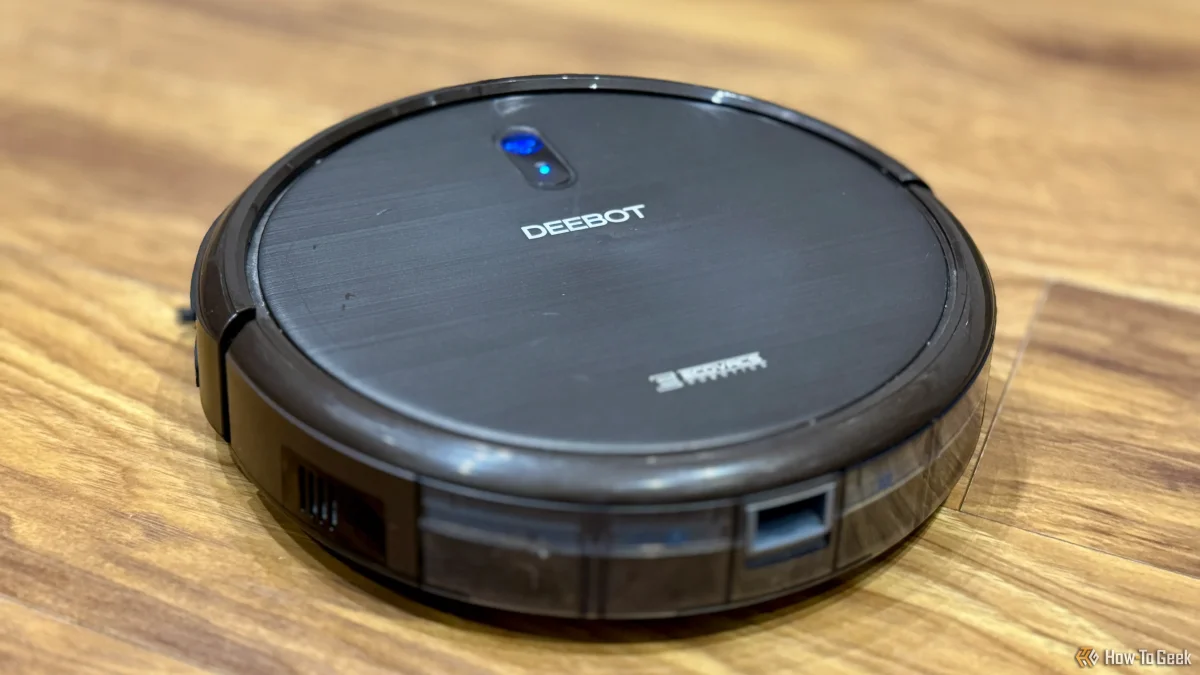

Integrating a robot vacuum with Home Assistant has significantly enhanced its functionality, allowing for automation that was previously unavailable. The author uses an Ecovacs Deebot N79S model, purchased nearly eight years ago at a discounted price, which lacks advanced features typical of newer devices. While the vacuum can be controlled via an app for basic operations like starting and stopping, it does not possess capabilities such as object recognition or advanced mapping.
Through the use of various integrations available in Home Assistant, users can connect and manage their robot vacuums from a central platform. This includes popular brands like Roborock and iRobot Roomba. These integrations facilitate the creation of automations, enabling users to manage cleaning tasks more efficiently. Furthermore, sensors can provide real-time information about the vacuum’s battery status and cleaning duration.
The integration process allows for both cloud and local control options, enhancing user experience. Although the author’s model has limited scheduling functions, modern alternatives offer features like cleaning only when the house is empty, making automation a key benefit of integrating with Home Assistant.