
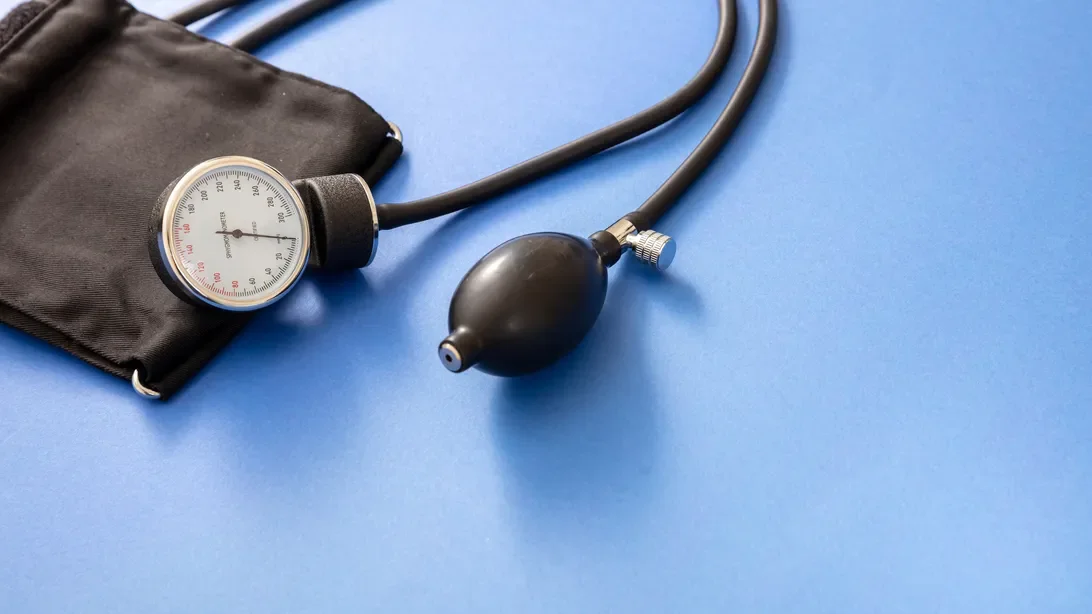

The American Heart Association emphasizes the necessity of regular blood pressure monitoring for individuals at risk of heart conditions or hypertension. At-home blood pressure monitors have gained popularity; however, variations in their accuracy exist. To aid consumers, cardiologists have identified several FDA-approved models that are both precise and easy to use.
Dr. Mary Branch, a cardiologist affiliated with Cone Health in Greensboro, North Carolina, recommends that everyone should consider tracking their blood pressure. Establishing a baseline is crucial, particularly for younger individuals, as it provides valuable health insights. Those diagnosed with hypertension or who are planning pregnancies are especially urged to monitor their blood pressure due to associated risks such as preeclampsia.
When using home monitors, it’s vital to understand blood pressure readings, which consist of systolic and diastolic numbers. While self-monitoring can highlight potential issues, only healthcare professionals can diagnose conditions like hypertension. High readings may indicate the need for further evaluation and management from a doctor.