
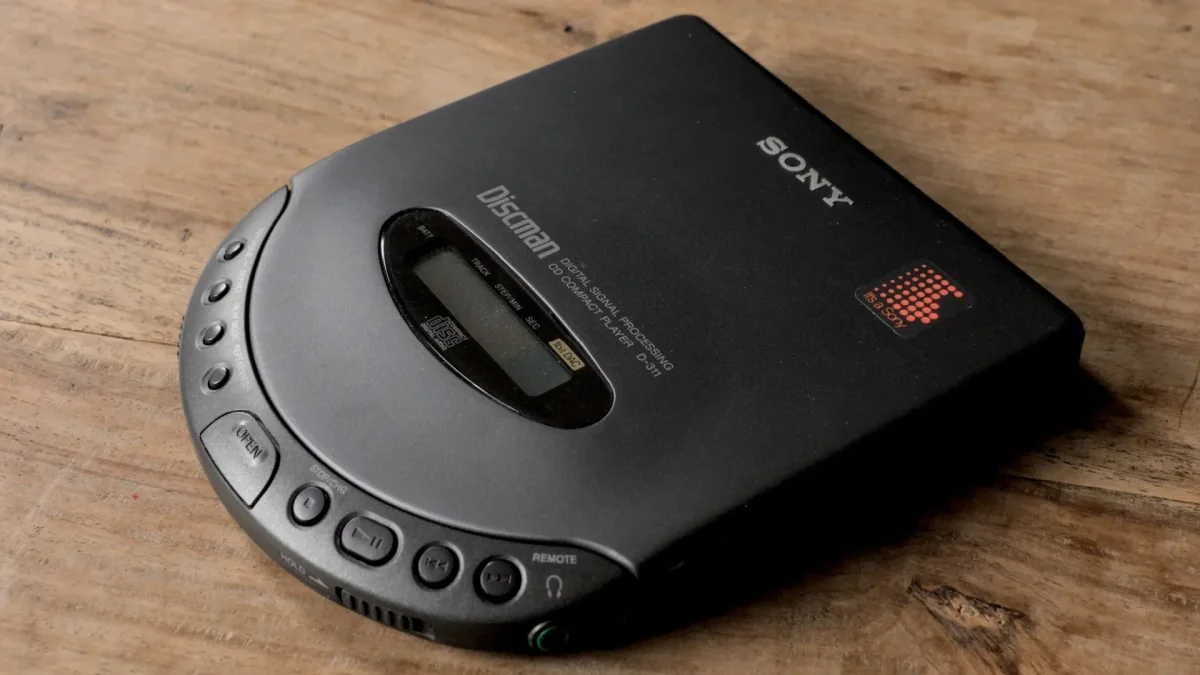

Advancements in portable CD player technology have transformed music listening experiences since their inception. The first portable CD player, the Sony D-50 Discman, was introduced in 1984, although early models struggled with skipping during movement. Users had to hold the player steady or place it on a flat surface to prevent interruptions in playback.
To address these challenges, manufacturers developed solutions like Electronic Skip Protection, which utilized a RAM buffer to store audio temporarily. This innovation allowed the players to play music smoothly even if the laser lost its precise alignment due to movement. As a result, listeners could enjoy their music collections on the go without the constant frustration of skipping tracks.
Over time, portable CD players evolved to accommodate MP3 CDs, enabling users to carry numerous albums in a single disc, thus enhancing their portability and convenience. Despite the emergence of digital music formats, the quality of CD audio remains a benchmark for many music enthusiasts.