

The Evolution of Android Skins: How Uniformity is Changing User Experience

The Evolution of Android Skins: How Uniformity is Changing User Experience

In 2010, Android evolved with distinct user interfaces like HTC Sense, Samsung TouchWiz, and MotoBlur, each impacting user experience and design preferences. Discover how these choices shaped smartphone evolution.

NeboAI I summarize the news with data, figures and context
IN 30 SECONDS

IN 1 SENTENCE

SENTIMENT
Neutral

𒀭
NeboAI is working, please wait...
Preparing detailed analysis
Quick summary completed
Extracting data, figures and quotes...
Identifying key players and context
DETAILED ANALYSIS
SHARE

NeboAI produces automated editions of journalistic texts in the form of summaries and analyses. Its experimental results are based on artificial intelligence. As an AI edition, texts may occasionally contain errors, omissions, incorrect data relationships and other unforeseen inaccuracies. We recommend verifying the content.

In the evolution of Android, significant changes in user interface design have marked its growth and adoption since its inception. The initial experience for users of stock Android was often criticized for its basic and unattractive appearance, particularly when compared to customized skins like HTC Sense.

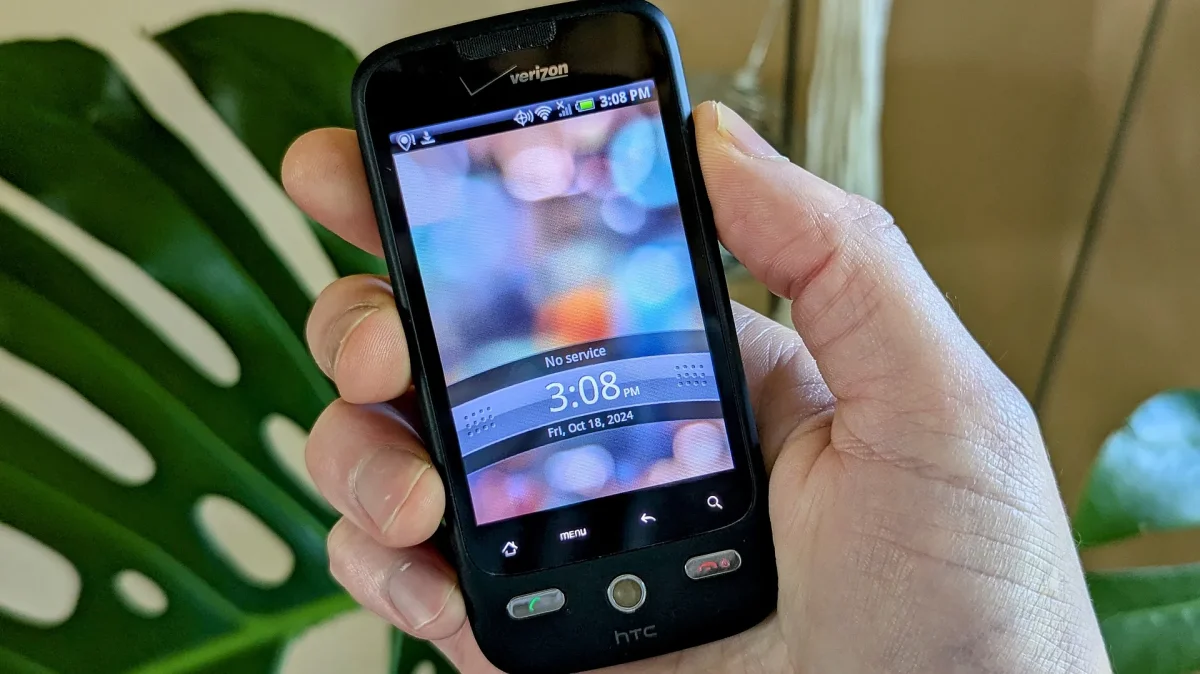
My first encounter with Android was through the HTC Droid Eris, which featured a modified version of Android 1.5 Cupcake. This device was preferred over the more popular Motorola DROID due to the appealing HTC Sense interface. By 2010, the Android ecosystem had diversified into several distinct skins, including Samsung TouchWiz and Motoblur, each offering unique functionalities.

HTC Sense, for instance, emphasized social media integration through its "FriendStream" app, while Samsung’s TouchWiz introduced innovative features such as "Smart Stay." The competitive nature of these platforms led to various legal challenges, including a notable patent infringement lawsuit involving Samsung that lasted from 2011 until 2018. Although Motoblur was short-lived, debuting in 2009 and fading by 2011, it exemplified the rapid innovation and competition within the Android landscape.

Want to read the full article? Access the original article with all the details.
Read Original Article
TL;DR

This article is an original summary for informational purposes. Image credits and full coverage at the original source. · View Content Policy

Editorial
Editorial Staff

Our editorial team works around the clock to bring you the latest tech news, trends, and insights from the industry. We cover everything from artificial intelligence breakthroughs to startup funding rounds, gadget launches, and cybersecurity threats. Our mission is to keep you informed with accurate, timely, and relevant technology coverage.

Press Enter to search or ESC to close