
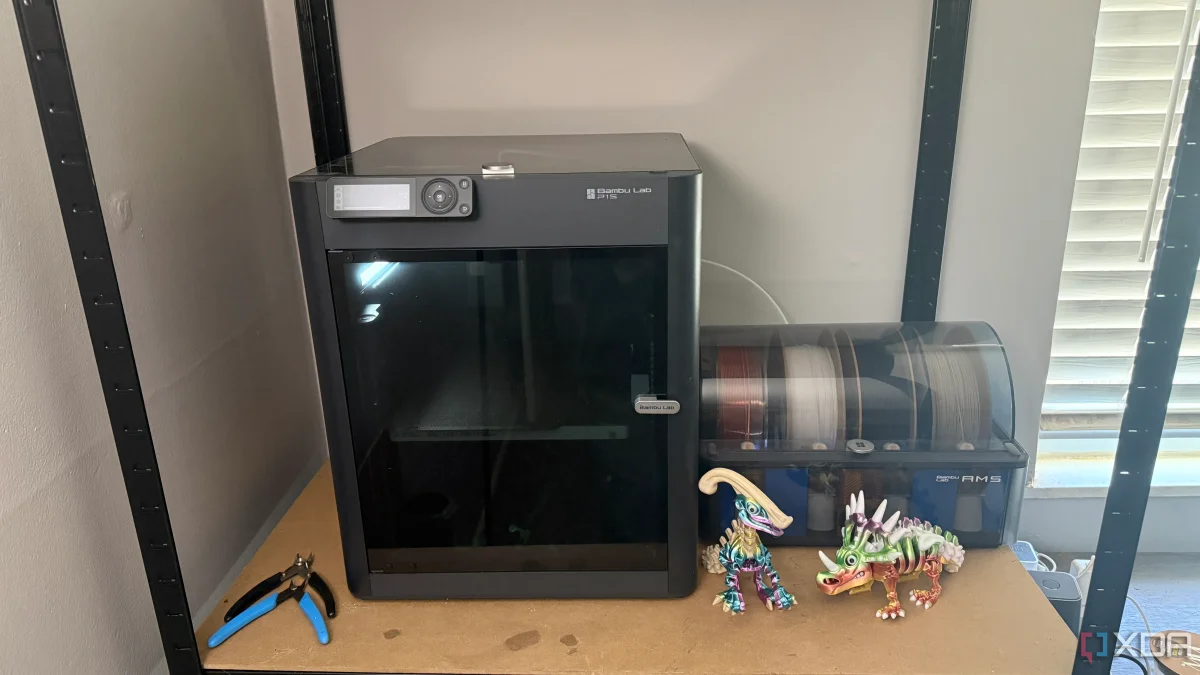

PLA filament is commonly favored by both novices and skilled makers due to its ease of use and wide color availability. However, it has a significant vulnerability: sensitivity to heat. This property can manifest in several ways, impacting the performance and integrity of printed objects.
During the printing process, PLA may experience warping due to uneven cooling, causing corners to lift or the material to pull away from the print bed. Larger prints are particularly susceptible to these issues, as the risk of uneven cooling increases with the size of the model. External factors such as drafts or inconsistent airflow can exacerbate these problems, leading to failures even if initial bed adhesion is strong.
Additionally, finished PLA prints are not exempt from warping after completion. Exposure to heat, sunlight, or high temperatures can distort a successful print, undermining its durability and usability. Consequently, while PLA is often seen as user-friendly, maintaining a controlled environment during and after printing is crucial to prevent material failure.