
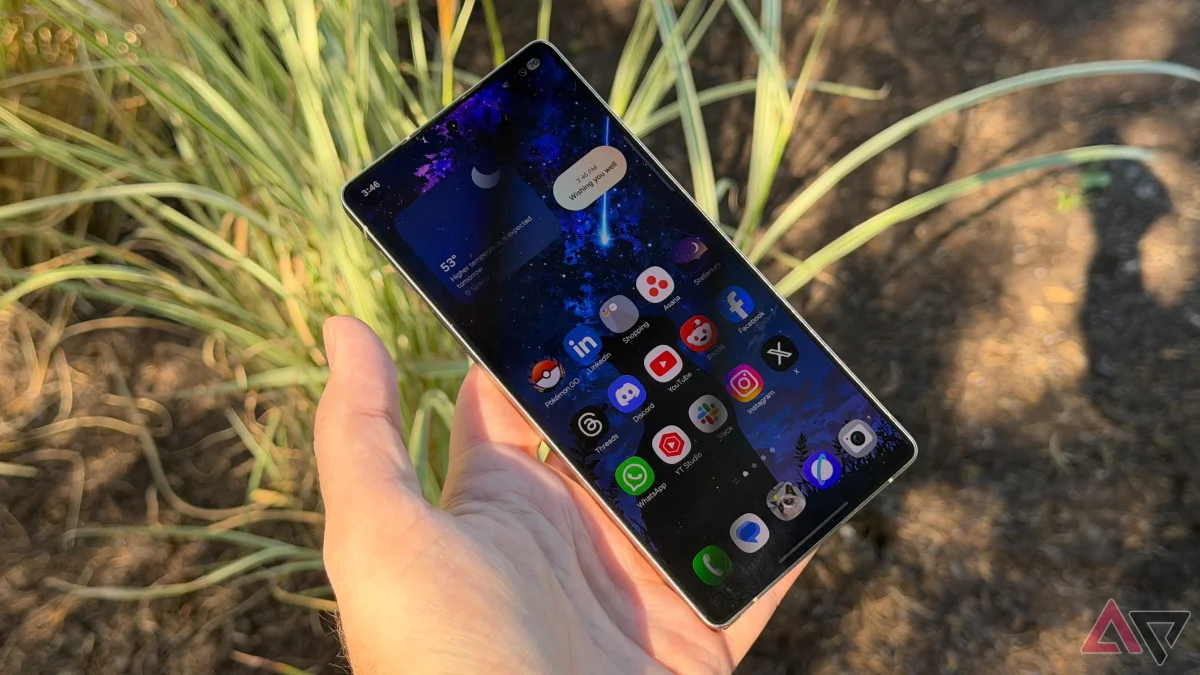

Samsung's Galaxy S26 Ultra set to enhance user security with innovative 'Privacy display' feature

Samsung's Galaxy S26 Ultra set to enhance user security with innovative 'Privacy display' feature

The Galaxy S26 Ultra will debut a unique "Privacy display" feature, automatically activating in specific apps or locations, enhancing user security in public spaces.

NeboAI I summarize the news with data, figures and context
IN 30 SECONDS

IN 1 SENTENCE

SENTIMENT
Neutral

𒀭
NeboAI is working, please wait...
Preparing detailed analysis
Quick summary completed
Extracting data, figures and quotes...
Identifying key players and context
DETAILED ANALYSIS
SHARE

NeboAI produces automated editions of journalistic texts in the form of summaries and analyses. Its experimental results are based on artificial intelligence. As an AI edition, texts may occasionally contain errors, omissions, incorrect data relationships and other unforeseen inaccuracies. We recommend verifying the content.

The anticipated Galaxy S26 series from Samsung is set for a rumored announcement in late February, and one of its standout features is the innovative "Privacy display." This option, aimed at enhancing user confidentiality, was first identified in a prior build of One UI 8.5 and has now been further detailed through a recent leak.

As revealed by SammyGuru, the Privacy display will automatically activate under specific conditions, such as when designated apps are open or certain notifications are received. Users can also enable or disable this feature via a Quick Settings toggle. The Privacy display significantly reduces screen visibility from various angles, making it particularly valuable for use in crowded or public environments.

This feature may remain exclusive to the Galaxy S26 Ultra, which is expected to incorporate a combination of the Flex Magic Pixel OLED screen and AI technology to support its functionality. Initial reports suggest that the Privacy display could even be configured to activate based on location, such as in elevators.

In addition to the potential impact on user privacy, there are questions regarding battery life, especially since the feature operates automatically. If successful, this could reshape privacy standards in smartphones, potentially rendering traditional privacy screen protectors unnecessary.

Want to read the full article? Access the original article with all the details.
Read Original Article
TL;DR

This article is an original summary for informational purposes. Image credits and full coverage at the original source. · View Content Policy

Editorial
Editorial Staff

Our editorial team works around the clock to bring you the latest tech news, trends, and insights from the industry. We cover everything from artificial intelligence breakthroughs to startup funding rounds, gadget launches, and cybersecurity threats. Our mission is to keep you informed with accurate, timely, and relevant technology coverage.

Press Enter to search or ESC to close