
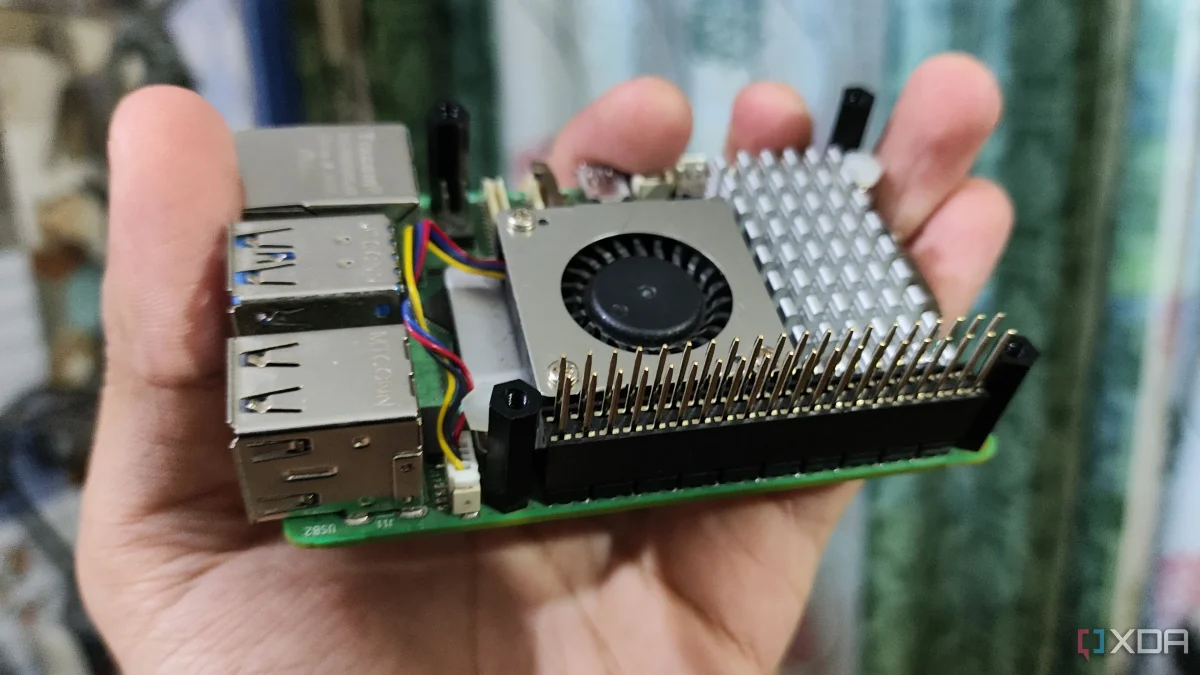

The landscape of home servers has evolved, prompting a reassessment of the Raspberry Pi's role in this space. Once the go-to option for a variety of server tasks due to its affordability and efficiency, the Pi is now viewed as a specialized tool rather than a universal solution. Its transition from a primary server to a focused node reflects the increasing demands on home server capabilities.
Historically, the Raspberry Pi was celebrated for replacing bulky desktop systems, offering a compact and energy-efficient alternative for basic services like DNS management and file sharing. Users appreciated its low power consumption and small footprint, which aligned with the DIY ethos of maximizing space. However, as expectations for home servers have risen, with more intensive services and higher storage requirements, the Pi's limitations have become more apparent.
With the decline in prices for small x86 mini PCs and the growing complexity of applications, the Pi is now considered less of a default choice and more of a fantastic specialist for specific tasks. While it remains effective for lighter workloads, its previous dominance in the home server market is shifting as users seek greater reliability and performance.