
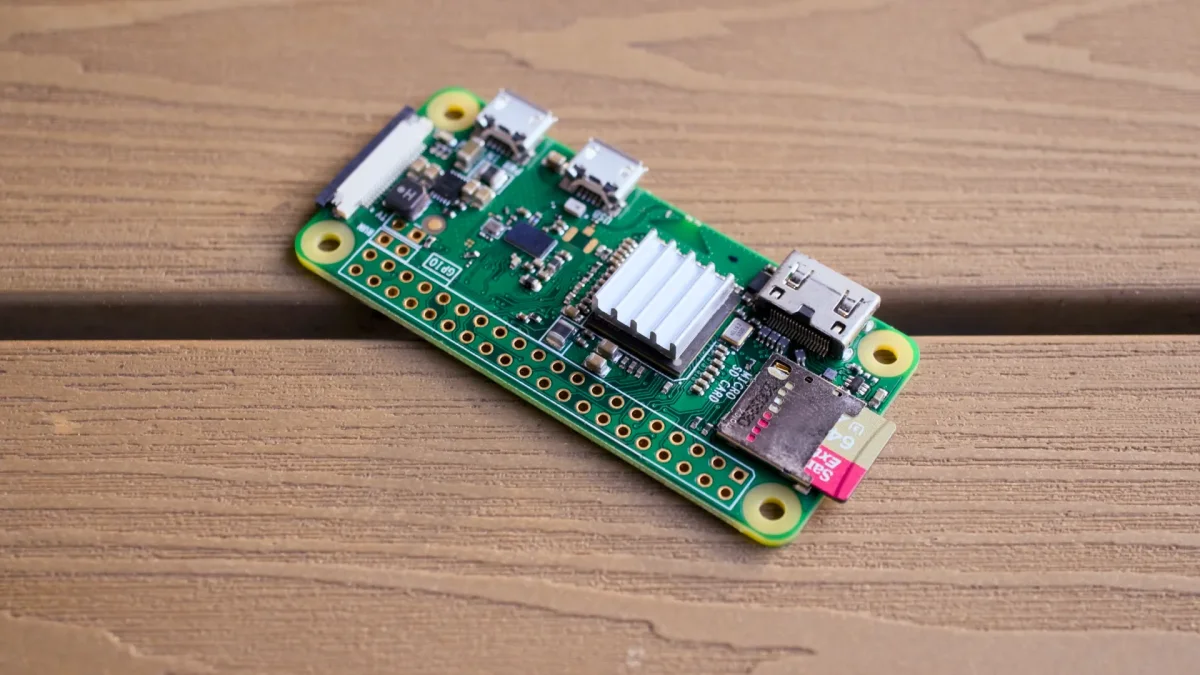

Despite their widespread use, Raspberry Pis face limitations that may impact self-hosting projects. While these devices are popular for low-power applications, many users overlook the potential of the GPIO pins, which enable connections to various accessories and components for enhanced functionality.
Initially designed as educational tools, the Raspberry Pi lineup—including models like the Raspberry Pi 3b, Raspberry Pi 4, and Raspberry Pi 5—has expanded but still lacks the processing power found in equivalent mini PCs. This deficiency can hinder performance in busy homelabs running multiple self-hosted services.
Although some models come with different RAM configurations, upgrades to the CPU or GPU are not feasible. Users can only enhance capabilities through USB connections or, less commonly, GPIO pins. Consequently, while a basic Raspberry Pi may suffice for simple tasks, more intensive applications may lead to challenges due to fixed RAM limitations.