

Microsoft's Controversial Gadget Gains Traction as Users Embrace New Utility

Microsoft's Controversial Gadget Gains Traction as Users Embrace New Utility

Despite its innovative vision, Microsoft's Windows Continuum failed to materialize as a viable desktop solution for mobile devices, leaving a gap in today's tech landscape.

NeboAI I summarize the news with data, figures and context
IN 30 SECONDS

IN 1 SENTENCE

SENTIMENT
Neutral

𒀭
NeboAI is working, please wait...
Preparing detailed analysis
Quick summary completed
Extracting data, figures and quotes...
Identifying key players and context
DETAILED ANALYSIS
SHARE

NeboAI produces automated editions of journalistic texts in the form of summaries and analyses. Its experimental results are based on artificial intelligence. As an AI edition, texts may occasionally contain errors, omissions, incorrect data relationships and other unforeseen inaccuracies. We recommend verifying the content.

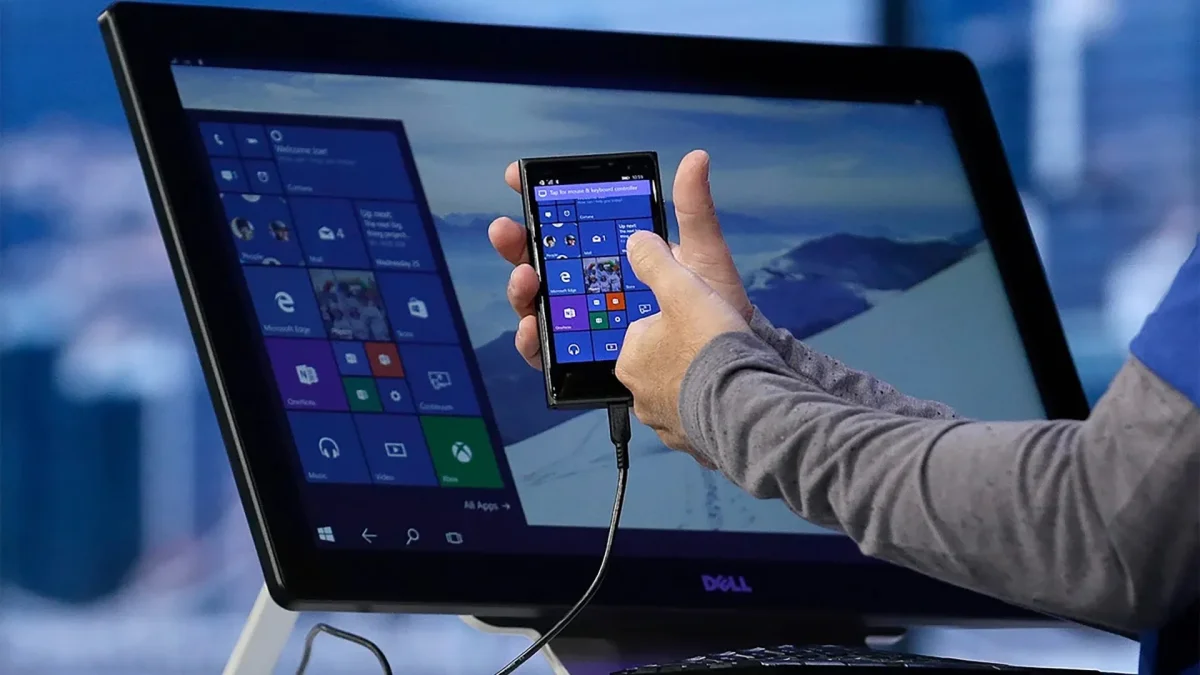
In 2015, Microsoft introduced a feature called Windows Continuum, designed to allow Windows 10 Mobile devices to function like desktop computers. Users could connect their phones to an external monitor using a Display Dock or a USB-C to HDMI cable, enabling a desktop-like interface for various tasks. Despite its ambitious vision, the feature struggled to gain traction and ultimately faded away due to a lack of commitment and a supporting ecosystem.

At the time of its launch, Windows on smartphones was declining, with users shifting towards Android and iOS. Although the concept of running desktop-grade applications on mobile devices was appealing, the reality did not live up to expectations, and Continuum never fully realized its potential. Other attempts, like Motorola's Webtop and ASUS' PadFone, had similar goals but did not achieve lasting success either.

As technology has evolved, the idea of using mobile devices as PCs is becoming more relevant, highlighted by the popularity of solutions like Samsung DeX. Reflecting on Continuum, it appears that Microsoft had a vision ahead of its time, which, given today's developments in mobile hardware and software, could have thrived if properly executed.

Want to read the full article? Access the original article with all the details.
Read Original Article
TL;DR

This article is an original summary for informational purposes. Image credits and full coverage at the original source. · View Content Policy

Editorial
Editorial Staff

Our editorial team works around the clock to bring you the latest tech news, trends, and insights from the industry. We cover everything from artificial intelligence breakthroughs to startup funding rounds, gadget launches, and cybersecurity threats. Our mission is to keep you informed with accurate, timely, and relevant technology coverage.

Press Enter to search or ESC to close