

The U.S. luxury car sector is currently experiencing a significant transformation, with a growing emphasis on technology and electrification. Brands such as BMW, Lexus, and Mercedes-Benz are competing with newer entrants like Tesla and Cadillac, as the market shifts towards crossovers and SUVs, leaving traditional sedans behind. By 2026, BMW is expected to maintain a slight lead, while Lexus is gaining popularity through its hybrid offerings.
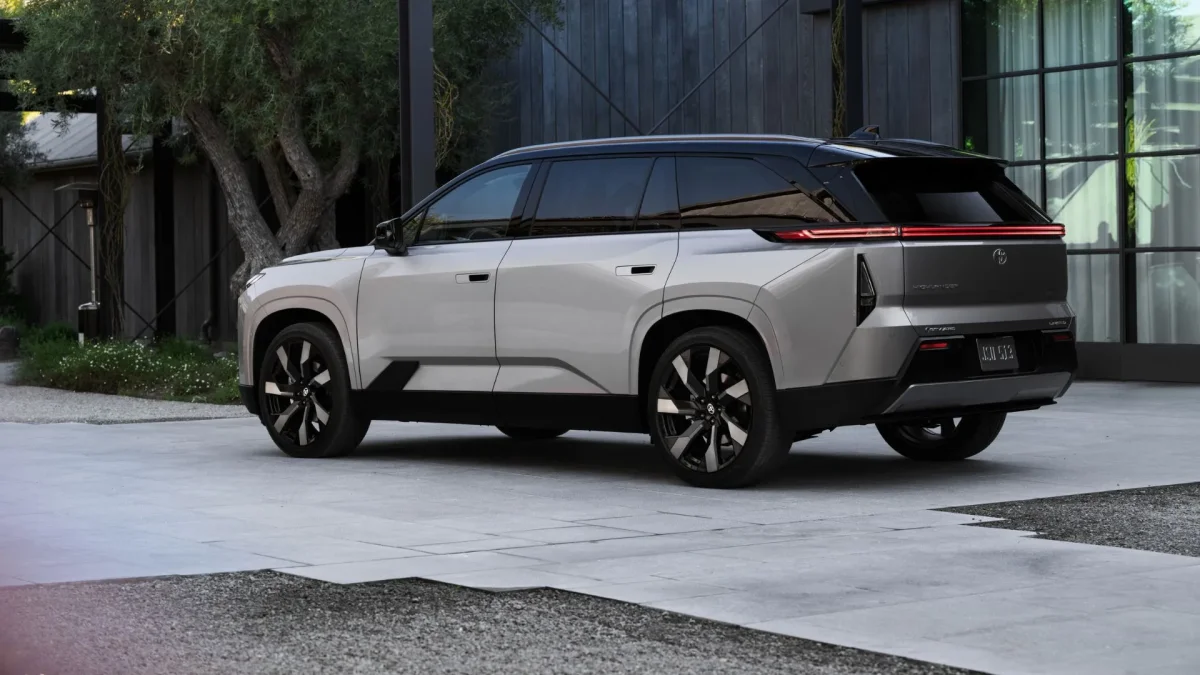
As automakers face rising development costs and logistics challenges, they are responding by enhancing the features of their vehicles. This trend is visible in mainstream brands adapting their models to include more luxurious elements, better technology, and high-quality materials. A notable example is an upcoming Japanese SUV set for a full redesign in 2027, aiming to provide a premium experience without exorbitant pricing.
Over the last decade, Toyota has strategically positioned its SUVs to appeal to upscale consumers, focusing on a unified global platform to improve vehicle performance and comfort. These enhancements have resulted in a more refined driving experience, bridging the gap between standard and luxury offerings.