
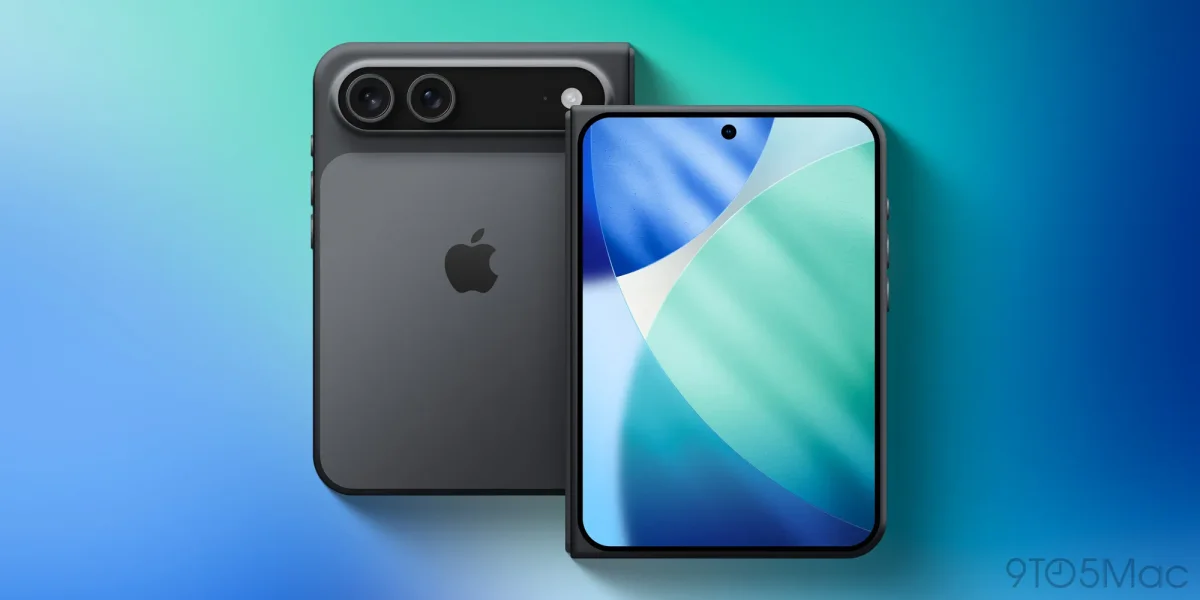

This fall, Apple is set to introduce a revolutionary new device, the iPhone Ultra, featuring a foldable design and two displays. One of the standout aspects of this model is its integration of Touch ID into the power button, marking a departure from the company’s typical use of Face ID.
Analyst Ming-Chi Kuo suggests this change stems from the device's thickness constraints and the need for efficient use of internal space. The iPhone Ultra, when unfolded, will measure only 4.5-4.8mm thick, compared to the iPhone Air's 5.6mm. Fitting Face ID would require additional components for each display, which could compromise space for other essential features like battery capacity.
As Apple opts for Touch ID, the decision appears to focus on maintaining the device's sleek design while maximizing functionality. The launch of the iPhone Ultra is highly anticipated, as it promises to deliver unique advancements in smartphone technology.