
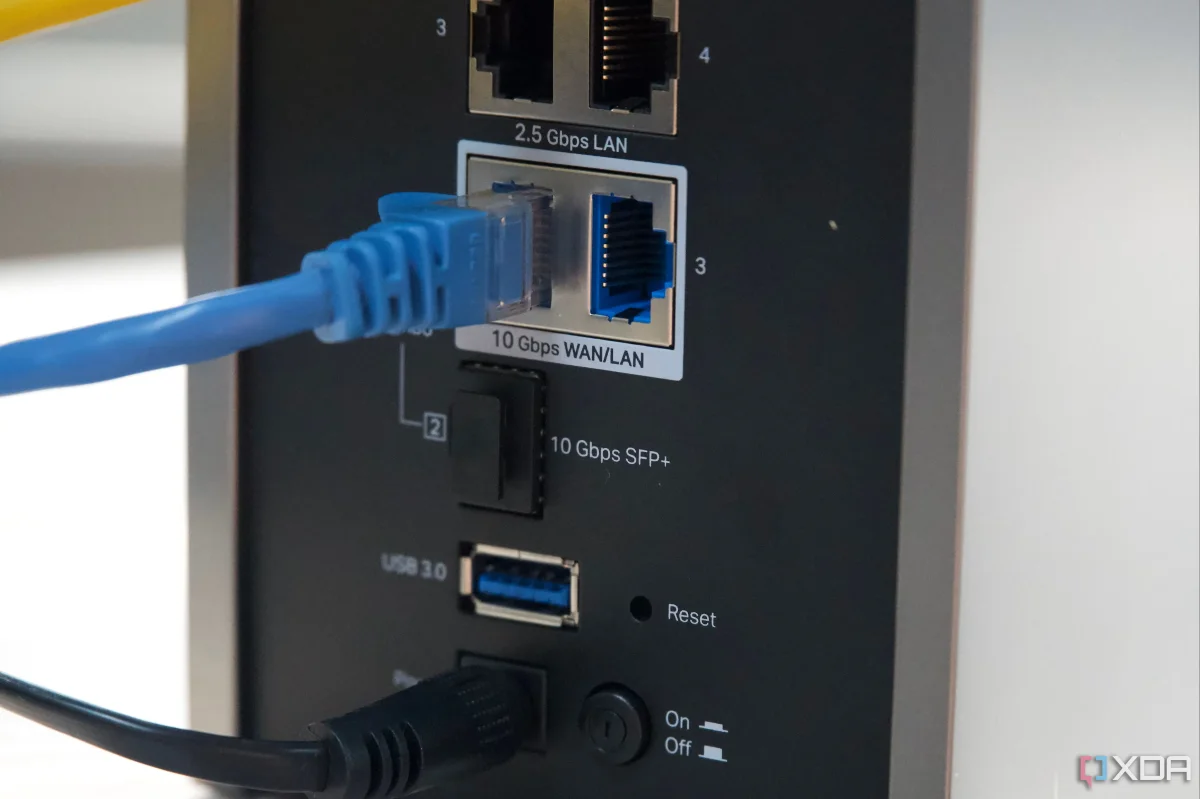

Upgrading the networking stack in a home lab is essential for optimal performance, as it often serves as the primary bottleneck rather than components like RAM or SSDs. Many home labs are tailored for specific tasks such as media streaming, NAS access, and remote access, which require efficient data transfer across the network. A standard Gigabit connection can limit transfer speeds to about 120MB/s, making it clear that enhancements such as a 5GbE or 10GbE NIC are vital to support heavier workloads.
Even transitioning from 1GbE to 2.5GbE can yield noticeable improvements. To enhance performance further, it is crucial to separate the home lab network from the main network using VLANs. This strategy allows for multiple segments operating on the same hardware without interference, ensuring that devices like NAS and virtual machines do not hinder the main network's efficiency.
Before investing in additional RAM or storage solutions, it is advisable to prioritize network upgrades to ensure that the setup can handle demanding workloads effectively. A well-optimized network is key to achieving seamless productivity in home lab environments.