
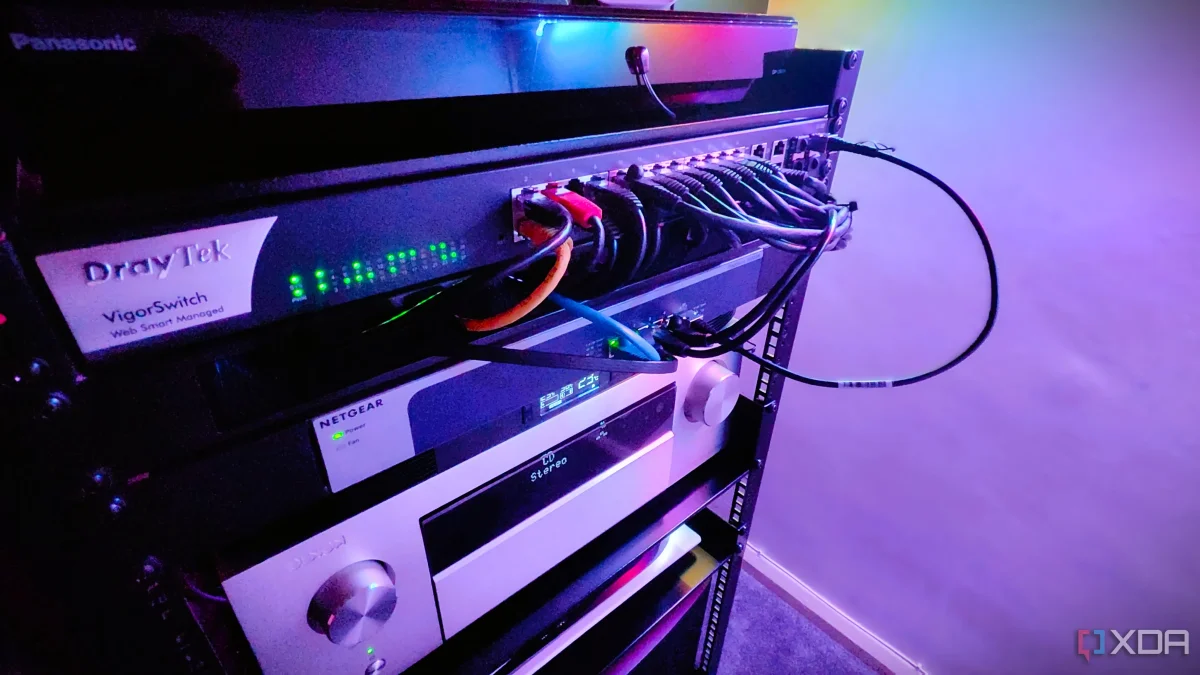

The potential for a smart home to function without relying on Wi-Fi exists, but significant investment may be required for most users. While many smart devices currently depend on Wi-Fi, the landscape has evolved to include various connectivity options, including Power-over-Ethernet (PoE) devices that facilitate hardwiring.
Early options were limited to Bluetooth or Wi-Fi, with Ethernet availability being rare. Today, multiple standards are available, although achieving complete interconnectivity remains a challenge due to proprietary elements built on open standards like Zigbee. Users face decisions about hardware replacements, hubs, and repeaters to maintain effective communication among devices.
Despite the complexities, solutions exist for those seeking to minimize Wi-Fi usage in their homes. Tools such as Home Assistant allow for centralized control across devices utilizing various communication protocols. However, users must still consider potential interference from Wi-Fi and other signals, as Zigbee and Thread also operate within the crowded 2.4GHz frequency band.