
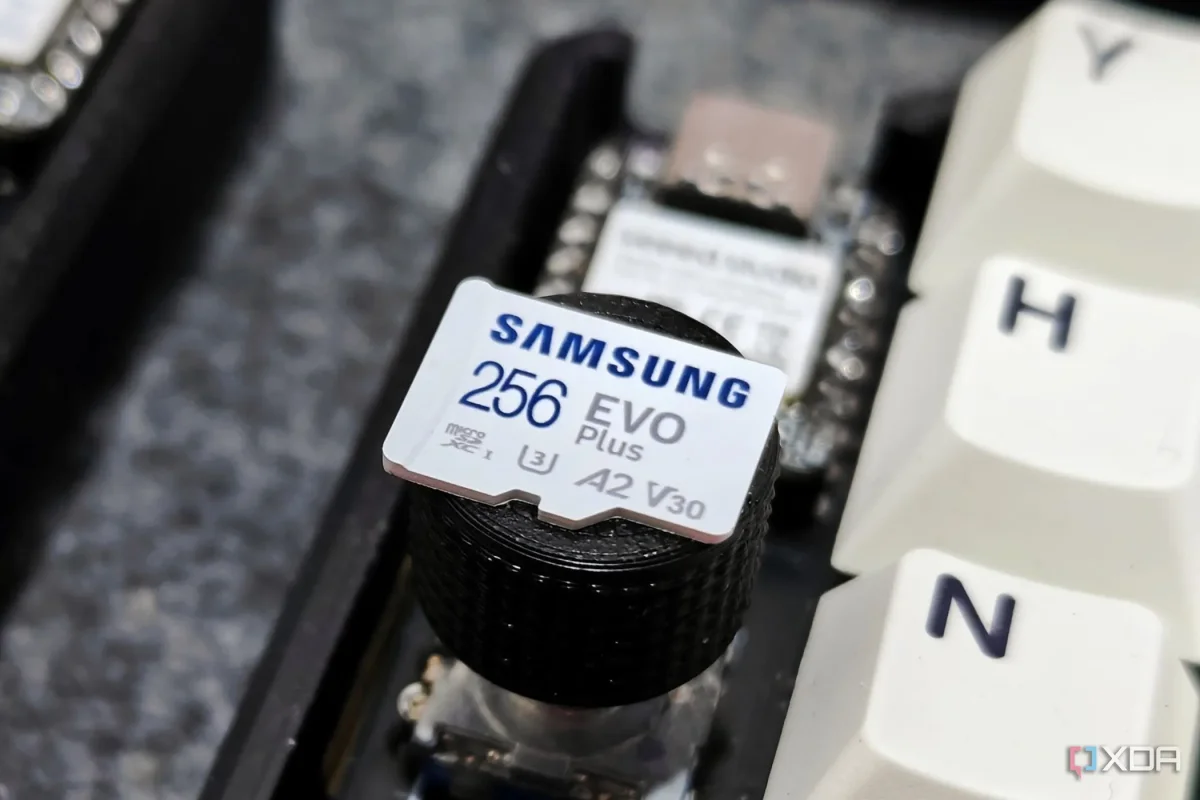

Despite their ongoing use in devices like the Nintendo Switch and Steam Deck, microSD cards are not the best option for storing important data. Many users may overlook the risks associated with these storage solutions, including their vulnerability to loss and failure. By late 2025, microSD cards continue to serve various purposes in technology, but their limitations are significant.
The architecture of microSD cards presents unique challenges for data recovery. Most modern cards utilize a monolithic design, which integrates the controller and NAND flash into one unit. This design complicates the recovery process, as a failure in the controller means there are no separate components to access for data extraction. Even minor physical damage, such as cracks from mishandling, can render recovery nearly impossible.
Moreover, microSD cards are susceptible to charge bleed, where electrons leak from floating gate transistors over time. This quantum tunneling effect affects all flash storage, but microSD cards are particularly prone to it, raising concerns about the longevity and reliability of stored data.