
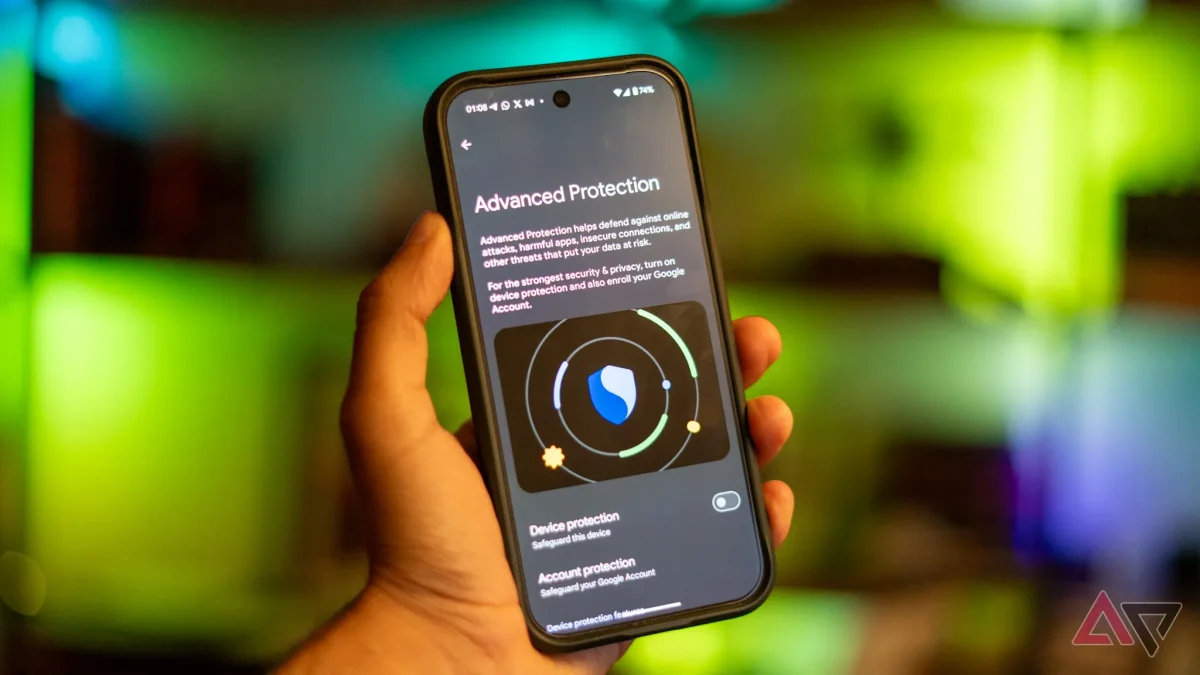

The introduction of Advanced Protection Mode aims to enhance security for users, safeguarding devices from theft and harmful apps. This feature, which debuted with Android 16 last year, has been effective but is not without vulnerabilities that Google plans to address in the upcoming Android release.
With the arrival of Android 17 Beta 2 last month, new restrictions were implemented, disallowing apps not classified as accessibility-related from accessing essential permissions. Users will need to deactivate Advanced Protection Mode to use such applications. This change contrasts with the Android 16 QPR3 update, which permitted these apps to function without limitations.
Google emphasizes that the AccessibilityService API should primarily assist users with disabilities; however, many non-accessibility apps exploit this API to gain permissions for additional features. This raises concerns about potential misuse, as harmful apps could disguise themselves as accessibility tools to obtain access to sensitive device functions.
The stable version of Android 17 is anticipated to roll out in June, which may include these new limitations on app permissions.