
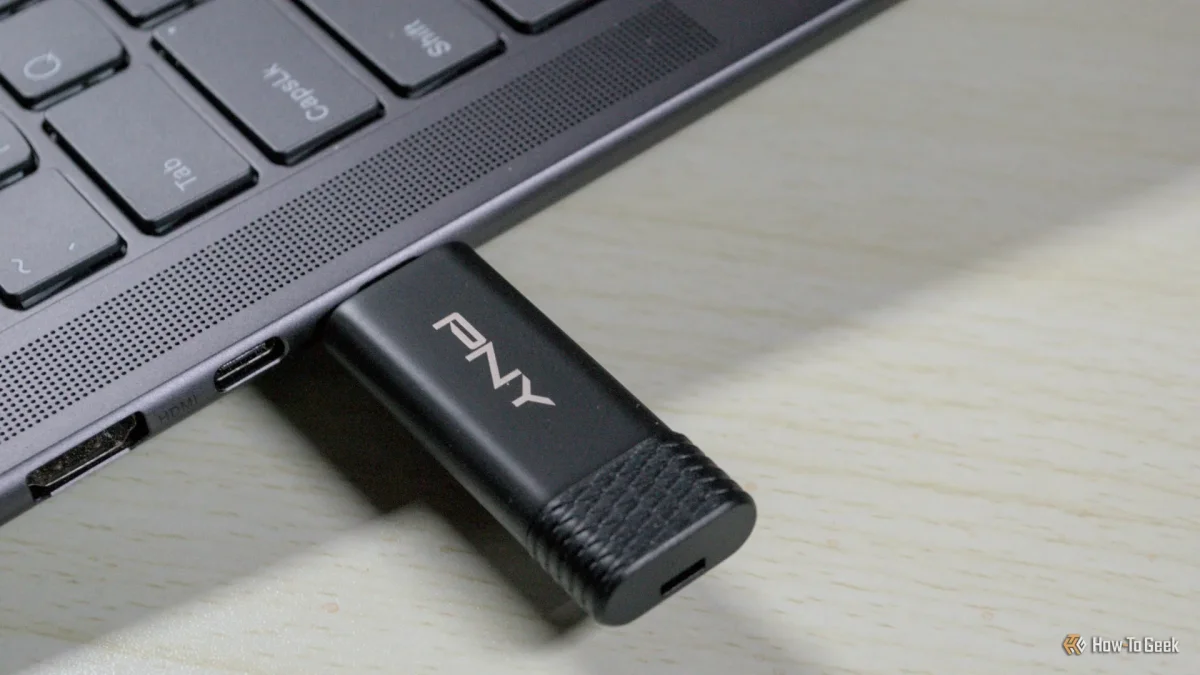

USB SSDs, also known as Solid State Flash Drives, offer significantly improved performance compared to traditional USB flash drives. With the ability to achieve maximum transfer speeds of up to 10Gb/s (approximately 1000 MB/s), these devices surpass the typical 150MB/s limit of standard thumb drives.
Standard USB flash drives often utilize lower-quality NAND chips, resulting in slower speeds and reduced endurance. Most high-end models reach only about 400MB/s, but they struggle with larger files due to small write caches that can drop speeds below 100 MB/s. In contrast, SSD thumb drives feature higher-grade NAND and larger write caches, enabling them to maintain performance even during extensive data transfers.
For instance, the SK Hynix Tube T31 integrates a true M.2 NVMe SSD with a DRAM cache, achieving an average write speed of around 600MB/s when handling large files. The price difference between USB SSDs and conventional flash drives is minimal, making them an attractive option for anyone seeking enhanced storage solutions.