
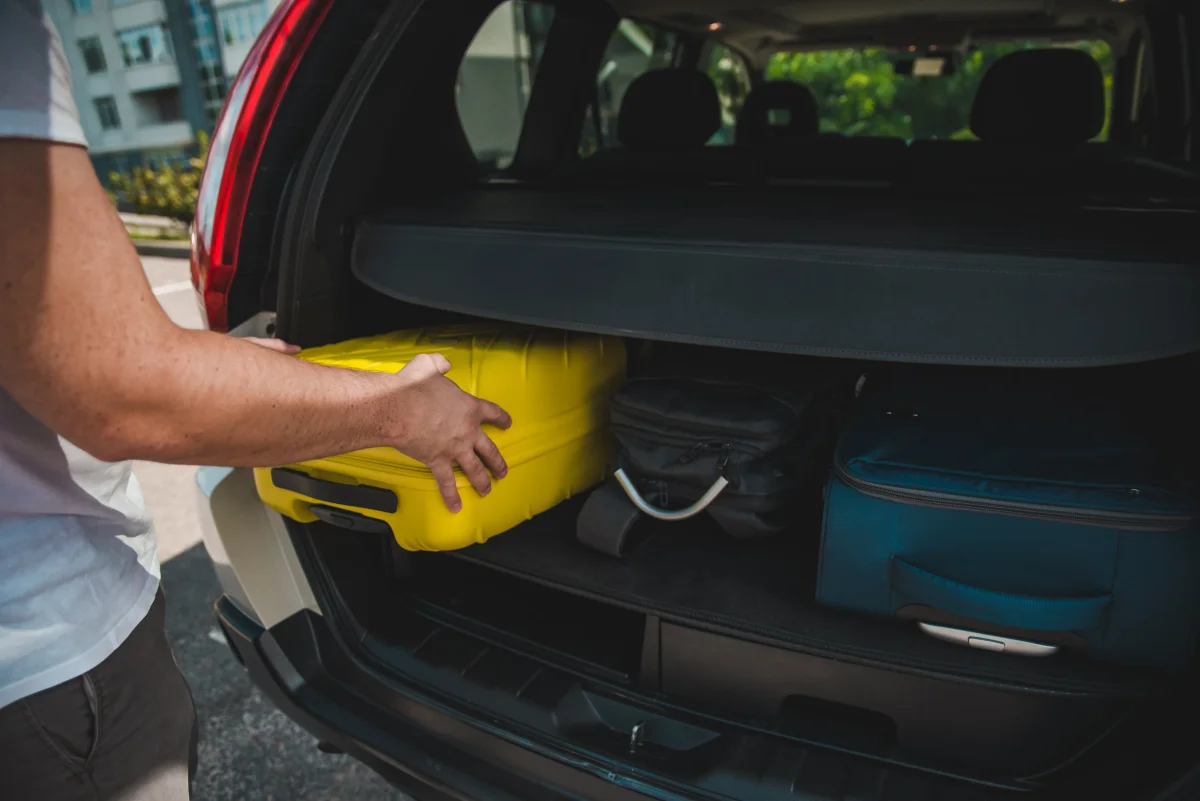

When selecting a family SUV, consumers must consider how the vehicle's cargo space aligns with their practical needs. Many manufacturers tout impressive cargo capacities, yet these figures often reflect theoretical maximums rather than real-world usability. This discrepancy is particularly important for families needing to transport items like double strollers or sports equipment.
Automakers typically adhere to the Society of Automotive Engineers' standards for measuring cargo space, which can present an overly optimistic view of available storage. For instance, a parent attempting to fit a folded double stroller may struggle if the vehicle's dimensions are inadequate. Factors such as the rear overhang, wheelbase, and depth behind the third row can significantly affect what can be realistically loaded.
Additionally, items like grocery bags can slide around during transit, making it crucial to assess the SUV’s design. Prospective buyers should also inquire about features like cargo nets that help secure belongings. Ultimately, understanding the practical implications of cargo space measurements can lead to a more satisfying vehicle choice.