
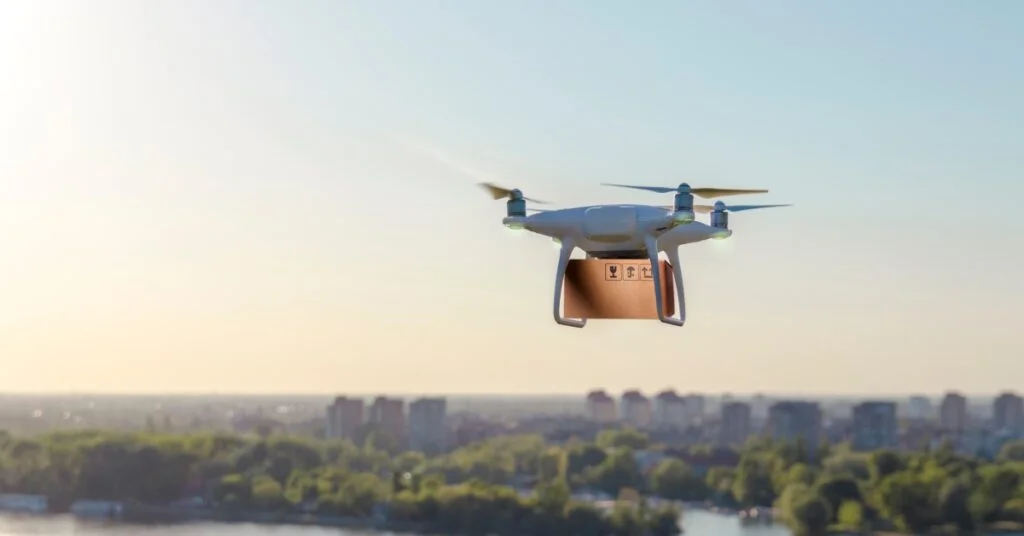

The recent launch of a drone delivery pilot by Grab and ST Engineering marks an important development in Singapore's logistics landscape, particularly in the Tanjong Rhu area. Despite this advancement, Singapore has historically lagged behind other nations in adopting drone delivery technologies. Countries such as Alphabet’s Wing in the United States, Zipline in Rwanda, and JD.com in China have successfully integrated commercial drone logistics for several years, addressing various delivery needs including food and medical supplies.
Singapore's unique geographic characteristics present significant challenges for drone operations. The densely populated city-state has limited airspace and lacks expansive rural areas for safe testing of aviation technologies. As a result, drone flights frequently occur over populated regions, raising safety concerns. The Civil Aviation Authority of Singapore (CAAS) maintains strict regulations prioritizing safety and privacy, which has led to a cautious approach regarding Beyond Visual Line of Sight (BVLOS) operations. Currently, BVLOS flights require individual permits, preventing widespread commercial use.
As the landscape of drone delivery evolves, Singapore’s regulatory framework will play a critical role in determining the pace of adoption. The current pilot program may serve as a stepping stone toward broader integration of drone technologies within the city's logistics systems.