
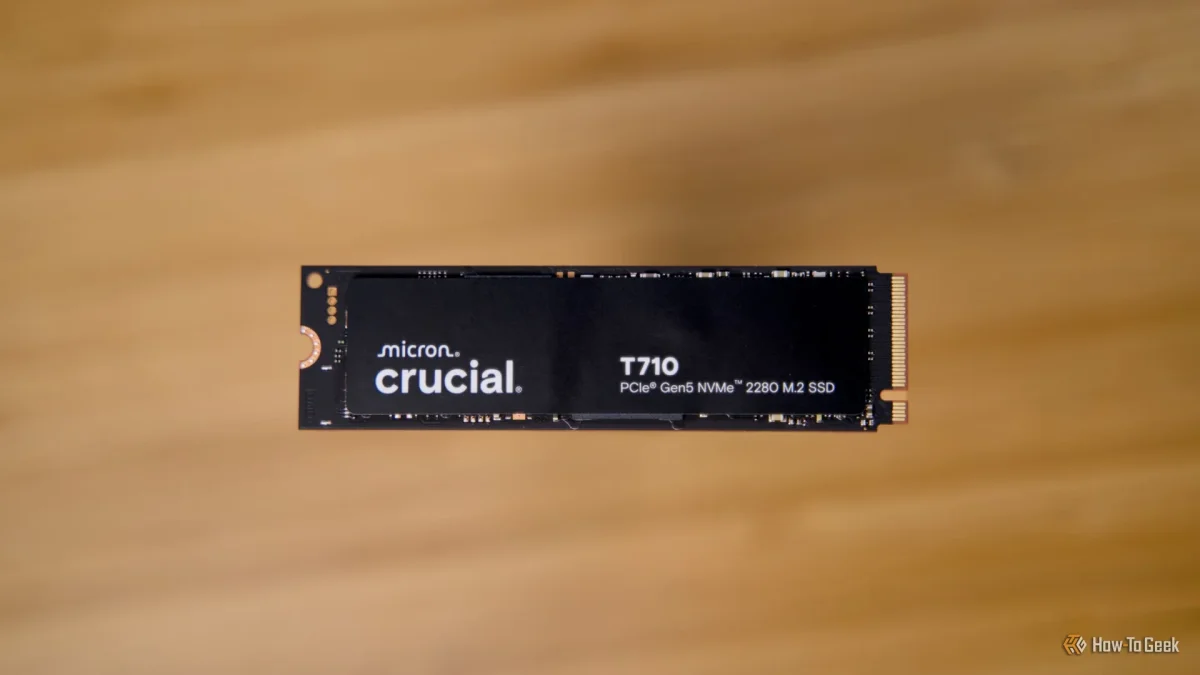

Microsoft has introduced native NVMe support in Windows Server 2025, enhancing performance for NVMe workloads significantly. This update eliminates the need for Windows to translate NVMe commands into SCSI, a process that previously added latency and limited the drive's capabilities. With this change, the operating system can directly manage NVMe requests, which is expected to improve I/O processing workflows substantially.
Historically, Windows has classified NVMe devices similarly to older storage technologies, resulting in inefficiencies. While SCSI was designed for older drives, it only supports a single-queue model with a maximum of 32 commands. In contrast, NVMe technology supports up to 64,000 queues, each capable of handling 64,000 commands simultaneously, showcasing the limitations of the previous workflow.
Despite Microsoft's focus on the server version, many Windows 11 users have successfully experimented with native NVMe support in their systems. A user on Reddit demonstrated this functionality on an MSI Claw 8AI+ gaming handheld, featuring a 4TB Crucial T705 PCIe Gen 5 NVMe SSD. This indicates a growing interest among consumers to leverage the performance benefits of the new support before its official release.