

The fashion sector faces a significant environmental challenge, as it is responsible for more carbon emissions than both international aviation and maritime transport combined. Approximately one garbage truck's worth of textiles is discarded every second, prompting some companies to seek innovative recycling methods.
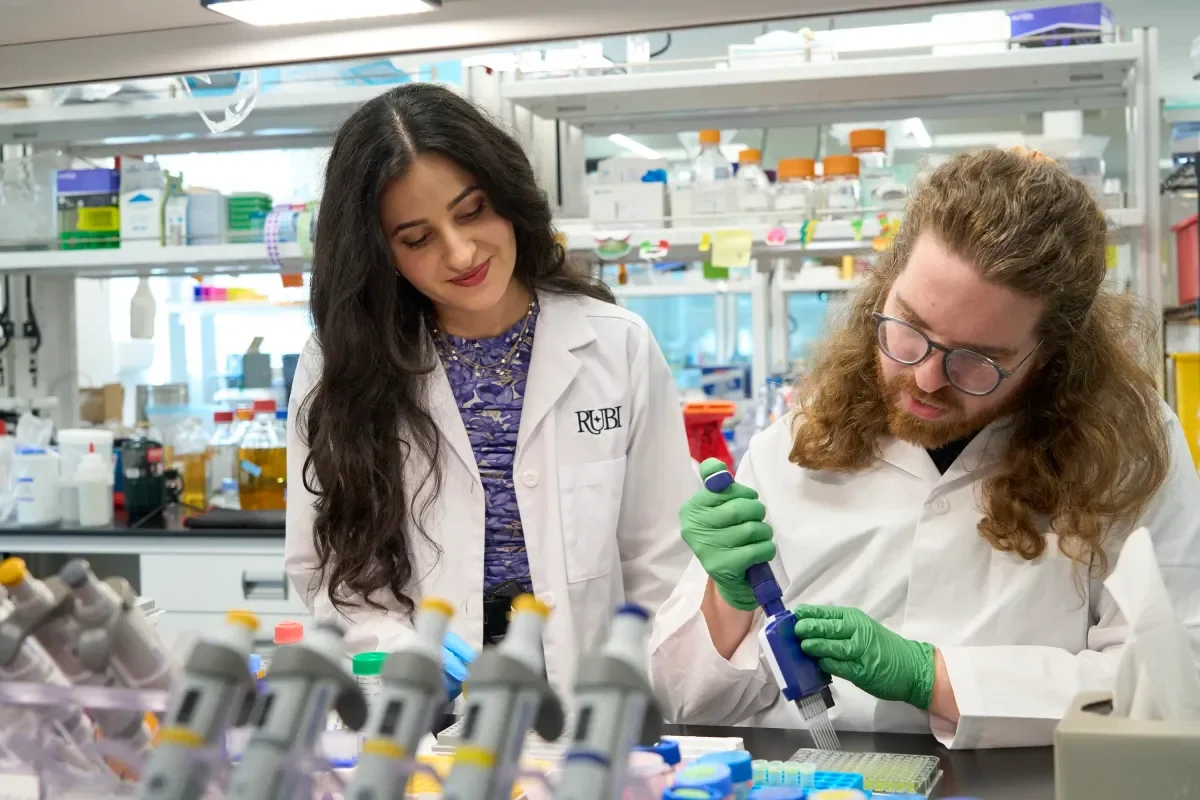
Among these innovators is Rubi, a startup co-founded by Neeka Mashouf, which aims to transform carbon dioxide into building blocks for lyocell and viscose. Recently, Rubi secured $7.5 million in funding to develop a demonstration facility capable of producing substantial amounts of cellulose using captured CO2, an approach that distinguishes it from competitors who rely on engineered bacteria or chemical catalysts.
With over $60 million in non-binding agreements with partners such as H&M and Patagonia, Rubi has successfully tested its material with 15 pilot partners. By using enzymes to create cellulose, Rubi aspires to establish a domestic source of textile-grade cellulose pulp, addressing the lengthy supply chains currently reliant on trees.