

Circular textiles startup takes a stand against fast fashion's environmental impact

Circular textiles startup takes a stand against fast fashion's environmental impact

Cloop, a Singaporean recycling initiative, rejects Shein's offer to resell clothes, emphasizing the need to combat the cycle of disposable fashion. Sustainability over profit—find out why.

NeboAI I summarize the news with data, figures and context
IN 30 SECONDS

IN 1 SENTENCE

SENTIMENT
Neutral

𒀭
NeboAI is working, please wait...
Preparing detailed analysis
Quick summary completed
Extracting data, figures and quotes...
Identifying key players and context
DETAILED ANALYSIS
SHARE

NeboAI produces automated editions of journalistic texts in the form of summaries and analyses. Its experimental results are based on artificial intelligence. As an AI edition, texts may occasionally contain errors, omissions, incorrect data relationships and other unforeseen inaccuracies. We recommend verifying the content.

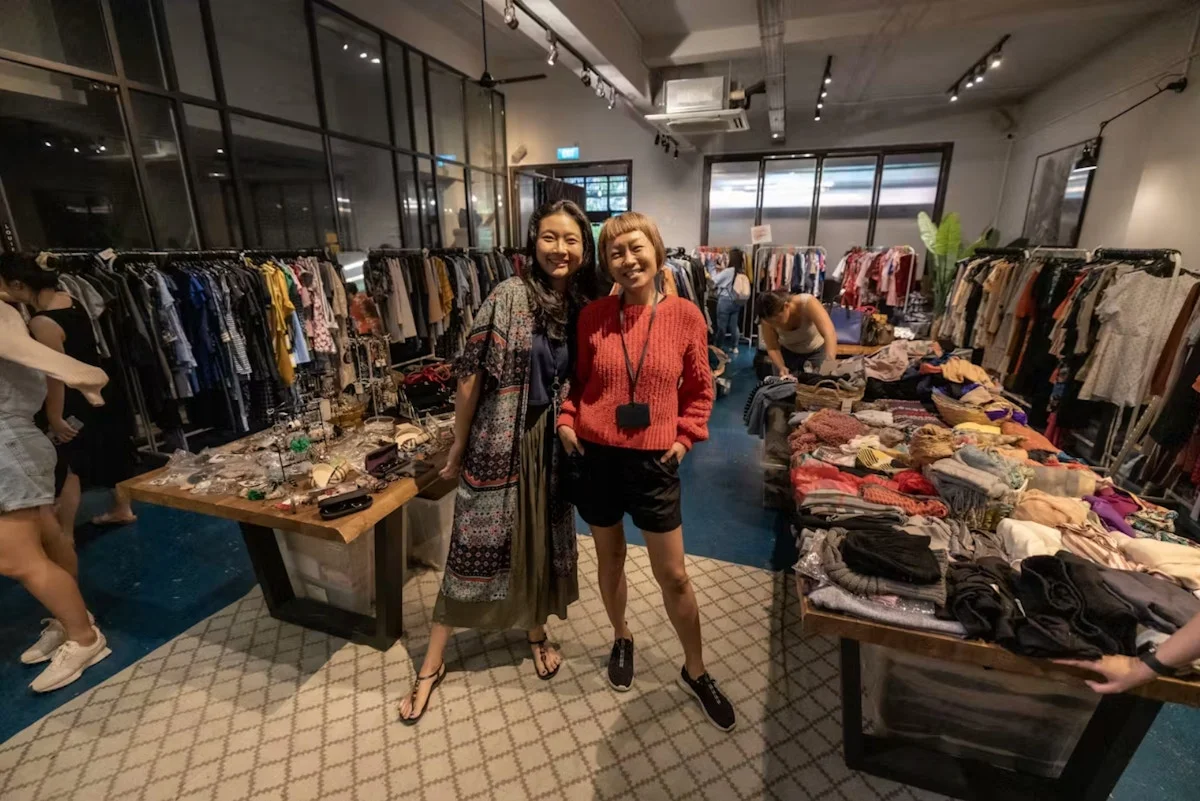
A circular social enterprise based in Singapore, Cloop, has rejected an offer from the fast-fashion retailer Shein to re-sell donated clothing. The company, which focuses on the collection and recycling of used textiles, aims to avoid contributing to the cycle of disposable consumerism. Cloop's co-founder, Jasmine Tuan, emphasized the organization's commitment to promoting the reuse of well-made items rather than poorly constructed garments that cannot be resold.

Shein had proposed providing boxes of garments previously used for marketing, but Cloop expressed concerns about becoming a "dumping ground" for such items. The enterprise conducts fashion swaps for quality clothing and recycles materials through its partner, Life Line Clothing. Upcoming fashion swap events are planned for June 5-7 in Singapore.

In response, Shein noted that its outreach to various organizations in Singapore was aimed at finding sustainable solutions for surplus materials, rather than establishing a formal partnership. The fast-fashion brand is under scrutiny for its role in generating significant textile waste, attributing this to its model that promotes inexpensive, synthetic clothing.

Want to read the full article? Access the original article with all the details.
Read Original Article
TL;DR

This article is an original summary for informational purposes. Image credits and full coverage at the original source. · View Content Policy

Editorial
Editorial Staff

Our editorial team works around the clock to bring you the latest tech news, trends, and insights from the industry. We cover everything from artificial intelligence breakthroughs to startup funding rounds, gadget launches, and cybersecurity threats. Our mission is to keep you informed with accurate, timely, and relevant technology coverage.

Press Enter to search or ESC to close