

Following a fatal crash involving assisted-driving technology, China is tightening its approach to self-driving vehicles. Recently, the Ministry of Industry and Information Technology (MIIT) approved only two out of nine proposals from car manufacturers for advanced self-driving systems, focusing primarily on additional testing rather than full-scale launches.
Beijing Automotive Group and Changan Automobile received permission to operate robotaxis on limited highway sections in Beijing and Chongqing. Strict regulations accompany these approvals, including a ban on lane changes while under computer control and a requirement for human drivers outside designated areas. These measures suggest a slowdown in China’s goal of mass-producing fully autonomous vehicles.
Several automakers had anticipated regulatory approval for Level 3 self-driving technology this year, which allows drivers to relinquish some control but still requires them to be ready to intervene. However, due to the regulatory shift, vehicles will likely be sold with downgraded Level 2 systems instead.
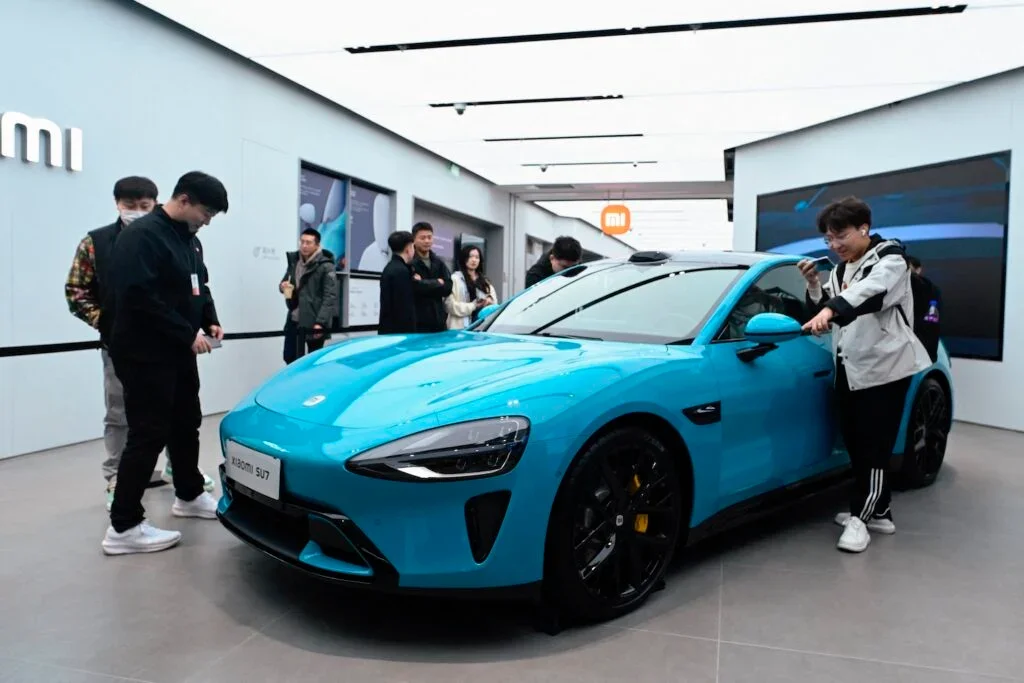
The crackdown on self-driving claims follows a March incident where a Xiaomi SU7 crashed, resulting in the deaths of three students. This event has intensified public concern over the safety of domestically developed self-driving technologies compared to those from Tesla.