
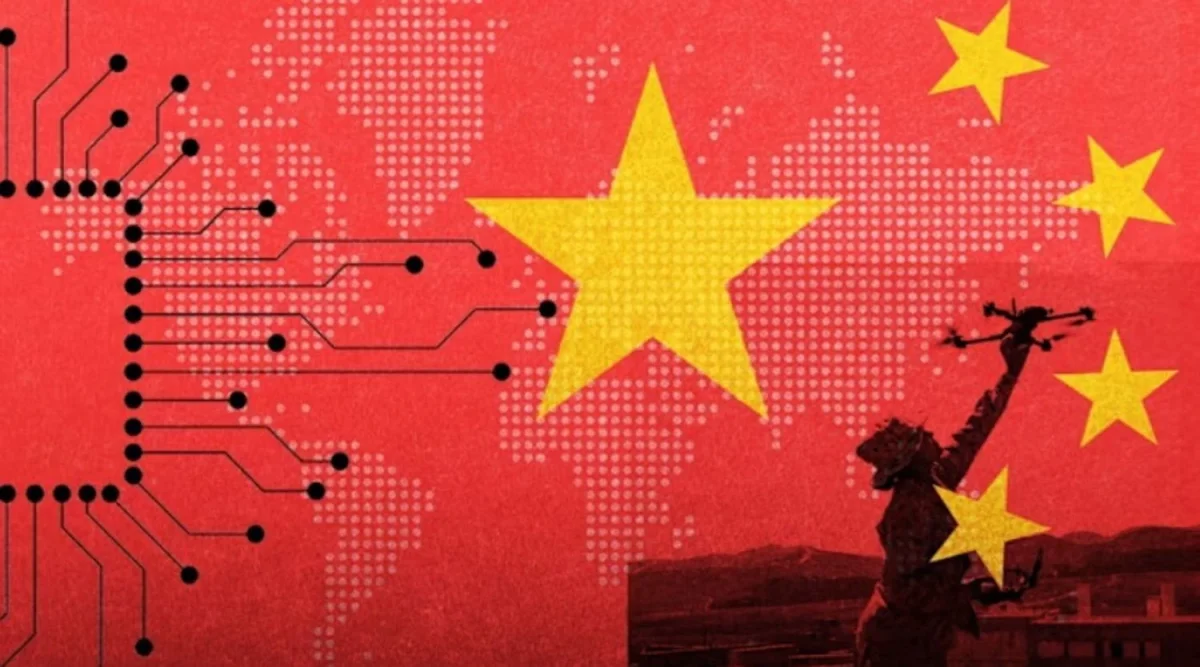

The U.S. Department of Defense is negotiating with technology firms to enhance artificial intelligence systems for identifying vulnerabilities in China's power infrastructure. This move, which could transform military operations, aims to enable rapid targeting and potential disabling of enemy systems during conflict.
Concerns are growing among AI developers regarding the ethical implications of these technologies, especially following an ultimatum to Anthropic from the White House. The administration has warned of contract termination or technology confiscation if Anthropic does not agree to allow military use of its Claude AI model. Discussions about the ethical deployment of AI are intensifying, with calls for limitations on its use in autonomous weapons and surveillance.
Notably, employees from companies like OpenAI and Google have expressed similar worries, pushing for constraints on AI applications. However, the Pentagon maintains that without robust deterrents against China, it cannot operate under restrictions that might compromise military effectiveness. Former CIA officials have indicated that AI integration could significantly improve the military's capability in cyber operations, enabling a more efficient scan of critical networks.
The initiative specifically targets power plants near data centers in China, as disrupting these facilities could weaken China's AI capabilities, offering the U.S. a strategic advantage.