
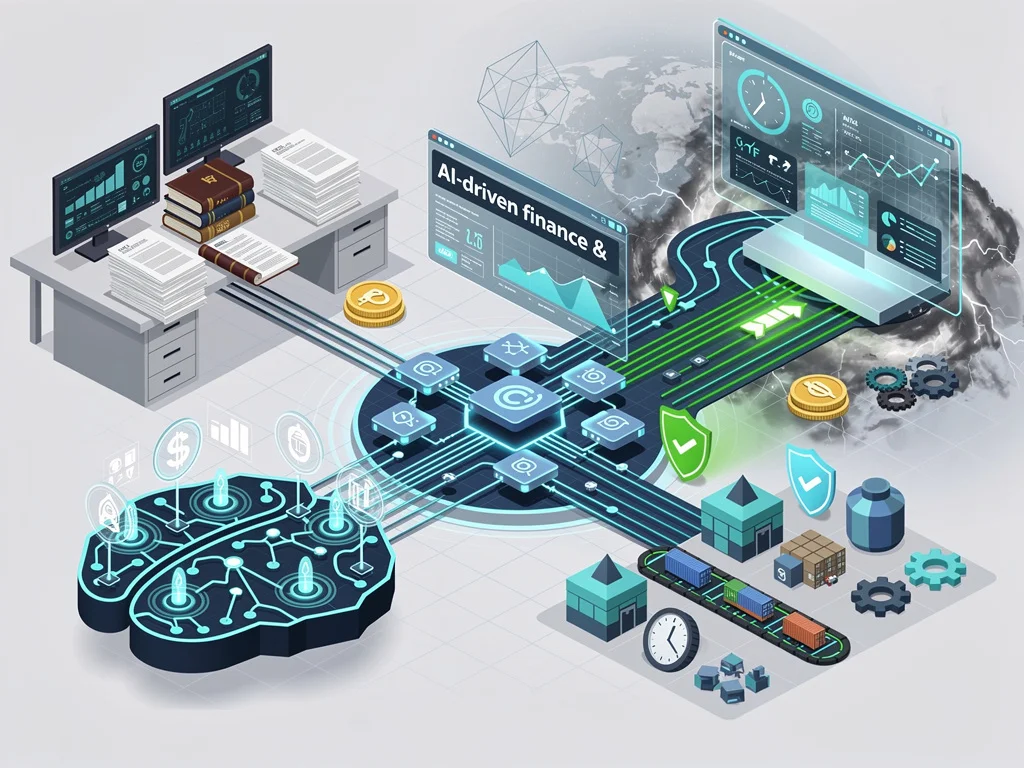

In the wake of significant supply disruptions and labor shortages, companies are rethinking their finance and procurement strategies to enhance resilience. According to Etosha Thurman, the chief marketing officer for finance and spend management at SAP, the challenges faced in recent years have fundamentally altered the roles of these functions. Procurement teams are now engaged in securing supplies and renegotiating contracts while finance professionals focus on cash preservation and detailed forecasting.
The integration of artificial intelligence into core workflows is essential for this transformation. SAP aims to streamline operations by embedding AI into processes ranging from sourcing to supplier interactions, enabling quicker responses to challenges. This shift is supported by a survey from The Economist, which found that 75% of participants noted productivity increases due to AI, reinforcing its importance in modern business practices.
With tools like the Sourcing Assistant, teams can quickly analyze supplier bids, allowing them to dedicate more time to strategic decision-making rather than data collection. This evolution in finance and procurement highlights a necessity for integrated intelligence to manage risks effectively and optimize cash flow.