
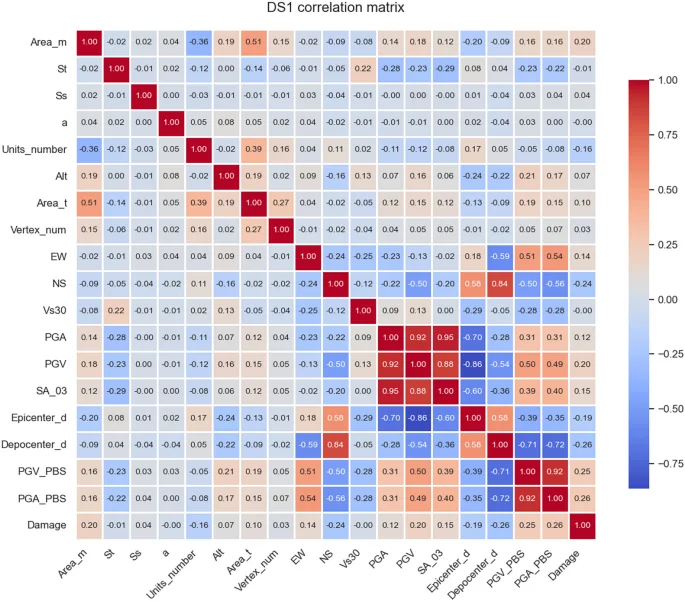

Recent studies reveal a significant rise in the use of artificial intelligence (AI) within the field of geoscience, highlighting both advancements and ongoing challenges. A paper published in Computers and Geosciences showcases how AI technologies are transforming seismic analysis, damage evaluation, and environmental monitoring. Led by Z. Sun, researchers indicate that these technologies can enhance data processing and predictive modeling, improving geological risk management.
However, a review in Innovation by T. Zhao and colleagues points out that despite the expanding applications of AI, obstacles such as data quality, model interpretability, and the necessity for interdisciplinary collaboration persist. Addressing these issues is essential for maximizing AI's potential, particularly in disaster-prone areas.
Further exploration by W. Zhang et al. in Gondwana Research focuses on the integration of machine learning in geoengineering, emphasizing its role in modeling subsurface conditions and predicting geological hazards. A forthcoming study in the Bulletin of Earthquake Engineering by I.E. Monsalvo Franco investigates new ground motion intensity measures to improve seismic risk assessments. Additionally, research by S. Mangalathu et al. in Earthquake Spectra illustrates the promise of AI in classifying earthquake damage, facilitating quicker and more precise evaluations after seismic incidents.