
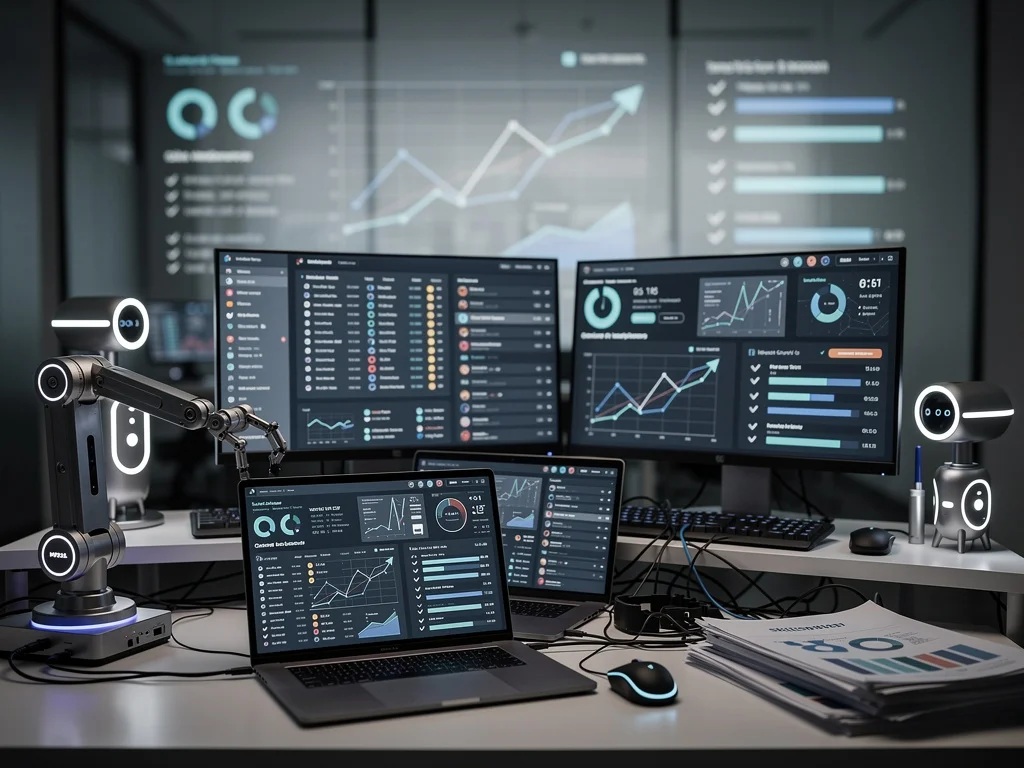

A recent study published in the Harvard Business Review reveals that the integration of artificial intelligence (AI) in workplaces may not be delivering the expected relief from tasks. Instead, employees are reportedly spending additional time managing and correcting AI-generated outputs. This research, which involved extensive surveys and interviews, indicates that the promise of automation to lighten workloads is being contradicted by the reality many workers face.
Organizations implementing AI tools, including generative AI assistants and automated reporting systems, are adjusting their expectations based on AI’s apparent efficiency. As a result, tasks once managed by teams are increasingly falling to individual employees, who must now oversee AI contributions. This has led to increased task volumes, tighter deadlines, and greater performance expectations.
Furthermore, the study highlights the often-overlooked responsibility of supervising AI outputs. Workers find themselves needing to review AI-generated communications for accuracy and tone and validate data from automated reports. This ongoing scrutiny can lead to cognitive overload, making the experience of managing AI outputs more laborious than the original tasks they were designed to simplify.